
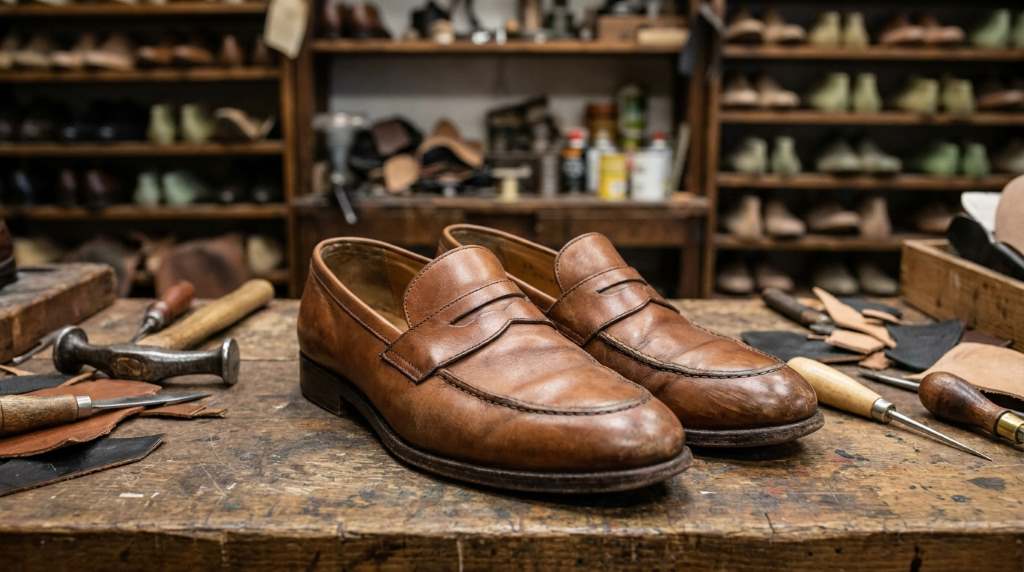
Yes, you can usually fix tight Italian loafers without damaging their shape or finish. Start with controlled stretching, correct sizing, and gradual wear instead of forcing the leather. Studies report that 63% to 72% of people wear poorly fitted footwear. Another study found only 6% had correctly fitting shoes on both feet. Before buying another pair, check this gucci shoe sizing guide for sizing context.
Key Takeaways
- Identify whether the tightness affects length, width, instep, or toe space.
- Use gradual stretching methods before attempting aggressive leather manipulation.
- Italian loafers often respond well to professional shoe stretching equipment.
- Never force painful shoes through long walks around New York City.
- Leather conditioners can support controlled flexibility without replacing proper stretching.
- Persistent pressure usually signals a sizing or last-shape problem.
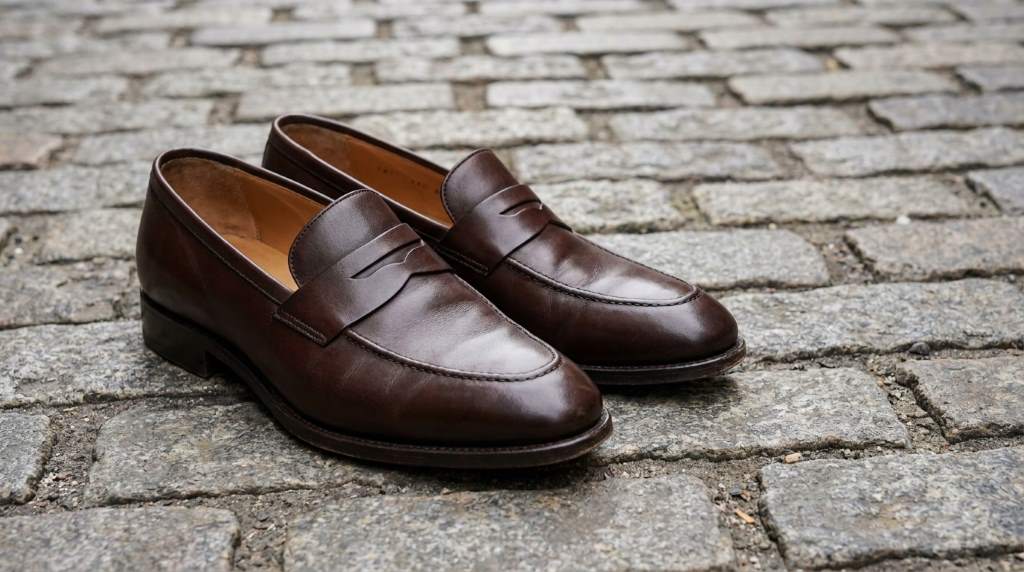
Find Where Your Italian Loafers Feel Tight
First, identify the exact pressure point before changing the shoes. Different tight areas require different stretching approaches and different levels of caution.
Toe pressure usually indicates limited forefoot width or insufficient toe-box volume. Meanwhile, instep pressure often comes from a low vamp or structured upper.
Heel tightness needs special attention because stretching the wrong area can weaken the shoe. Therefore, mark the uncomfortable location while wearing thin socks indoors.
Also check whether both feet experience the same pressure. Feet often differ slightly in length, width, and overall shape.
Check Length Before Stretching
Stand naturally while wearing the loafers and keep your toes relaxed. Your longest toe should avoid pressing firmly against the front.
If your toes hit the front, stretching cannot create meaningful extra length. Instead, consider exchanging the loafers for a longer size.
However, a snug fit around the forefoot can often improve with controlled width stretching. That distinction prevents unnecessary damage to premium leather.
Consider the Italian Last
Italian loafers frequently use sleek lasts that emphasize a streamlined silhouette. Consequently, they may feel narrower than casual American footwear.
Do not automatically choose a larger size because the shoes feel tight. A larger size can create heel movement while leaving the forefoot uncomfortable.
Instead, evaluate width, instep height, and toe shape separately. This approach helps preserve both comfort and the loafer’s intended proportions.
Use Safe Home Stretching Methods
Once you identify the pressure point, start with the least aggressive method. A travel duffel bag buying guide can also help when planning footwear storage during trips.
Begin by wearing thick socks for short indoor sessions. Walk slowly for five to ten minutes, then remove the loafers.
Repeat the process over several sessions instead of forcing one long stretch. Gradual pressure gives leather more opportunity to relax.
Try a Wooden Shoe Stretcher
A quality wooden stretcher provides more controlled pressure than improvised household objects. Choose a stretcher designed specifically for dress shoes.
Insert the stretcher gently and expand it only until you feel moderate resistance. Then leave it inside for several hours before checking the fit.
For width problems, use a stretcher with adjustable plugs. Place the plugs near specific pressure points when the loafer needs localized relief.
Avoid aggressive expansion because premium leather can develop permanent distortion. Check the shoe regularly during every stretching session.
Use Leather Conditioner Carefully
Conditioner can soften dry leather before controlled stretching begins. However, conditioner cannot solve a fundamentally incorrect shoe size.
Apply a small amount to an inconspicuous area first. Then follow the manufacturer’s directions and allow the leather to absorb naturally.
Never saturate Italian loafers with conditioner before stretching. Excess moisture can affect finishes, adhesives, lining materials, and structural components.
Skip Heat-Based Shortcuts
Hair dryers often appear convenient, but concentrated heat can create unnecessary risks. Excessive heat may dry leather and affect delicate finishes.
Therefore, avoid heating the upper aggressively while wearing thick socks. Controlled mechanical stretching offers a safer and more predictable approach.
Know When NYC Professional Stretching Makes Sense
Professional stretching becomes worthwhile when the loafers use expensive leather or delicate construction. You can also ask a specialist about verify pre-owned luxury purse considerations when evaluating other luxury leather purchases.
A skilled shoe professional can measure the tight area before applying pressure. They can then stretch width, instep, or specific pressure points separately.
Professional machines also distribute pressure more evenly than many home methods. That matters when the loafers have structured counters or decorative details.
What a Professional Can Adjust
- Forefoot width: Expands cramped areas without unnecessarily increasing overall length.
- Toe-box width: Relieves pressure around the sides of the toes.
- Instep volume: Creates additional space across the upper portion.
- Ball area: Targets pressure around the widest part of the foot.
- Localized pressure points: Addresses specific areas causing rubbing or discomfort.
Ask the professional to inspect the leather before stretching. Cracks, excessive dryness, and previous repairs can change how leather responds.
Also explain exactly where the loafer hurts. Clear instructions help the specialist avoid unnecessary stretching elsewhere.
When You Should Stop Stretching
Stop immediately if the leather develops visible creases, whitening, cracking, or unusual surface distortion. These signs suggest excessive mechanical stress.
Likewise, stop if your toes still hit the front after reasonable width adjustments. The loafer may simply have the wrong length.
Comfort should improve without compromising the shoe’s structure. If stretching creates new problems, reassess the underlying fit.
Break In Italian Loafers Without Creating Foot Pain
Even correctly sized loafers can feel firm during their first several wears. A controlled break-in routine helps the leather adapt gradually.
Start with short indoor sessions before wearing the loafers throughout Manhattan. This strategy lets you identify pressure before discomfort becomes significant.
Follow a Gradual Wearing Schedule
Wear the loafers indoors for ten to fifteen minutes initially. Then increase the duration only when your feet remain comfortable.
Use thin dress socks during early sessions if the shoes feel slightly snug. Avoid thick socks when they create excessive compression.
After each session, inspect your feet for redness or pressure marks. Persistent marks indicate an unresolved fit issue rather than normal break-in.
Eventually, test the loafers during short outdoor trips. Increase walking distance gradually as the leather becomes more accommodating.
Protect High-Friction Areas
Heel rubbing often appears before the rest of the loafer feels comfortable. A temporary blister barrier can reduce friction during early wear.
However, do not use padding to compensate for a severely tight shoe. Padding consumes interior space and can increase pressure.
Instead, reserve protective products for minor friction during normal break-in. Persistent rubbing deserves professional evaluation.
Choose the Right Fix for Each Fit Problem
Not every tight loafer needs the same solution. Matching the correction to the problem prevents unnecessary stretching.
| Problem | Best First Step | Avoid |
|---|---|---|
| Forefoot feels narrow | Gentle width stretching | Buying much longer shoes |
| Instep feels tight | Instep-specific stretching | Forcing the vamp downward |
| Toes hit the front | Recheck shoe length | Expecting width stretching to add length |
| Heel rubs | Check heel fit and friction | Overstretching the heel counter |
| One foot feels tighter | Localized stretching | Stretching both shoes equally |
This distinction matters because leather stretching has physical limits. Stretching cannot transform an unsuitable last into a completely different shape.
For example, widening the toe area will not solve severe length problems. Similarly, increasing instep volume will not fix a loose heel.
Use the One-Foot Test
Try each loafer separately while standing naturally. Compare pressure, heel movement, toe clearance, and overall stability.
If only one shoe feels tight, avoid applying identical stretching pressure to both shoes. Target the specific shoe that needs adjustment.
This method also helps account for natural differences between your feet. Small differences can become noticeable inside structured leather loafers.
Prepare Italian Loafers for NYC Walking
New York City can turn a minor fit problem into a major discomfort issue quickly. Long walks, subway stairs, and uneven sidewalks increase repeated pressure.
Therefore, test your loafers before using them for a full day downtown. A short neighborhood walk provides useful real-world feedback.
Carry comfortable backup footwear when breaking in expensive loafers. This simple precaution prevents a small pressure point from ruining your day.
Consider Weather and Storage
Leather responds to moisture and drying conditions, so storage deserves attention. Allow damp loafers to dry naturally after exposure to rain.
Use shoe trees to maintain shape while the leather rests. Cedar shoe trees can also help reduce moisture and preserve the upper’s structure.
Never place wet Italian loafers directly beside a strong heater. Rapid drying can stress leather and alter its surface.
Pack Loafers Without Crushing Them
Travel can create new pressure points when shoes remain compressed inside luggage. Use shoe bags and maintain the loafers’ natural shape.
A structured shoe tree can help during longer storage periods. However, avoid oversized trees that stretch the shoes unnecessarily.
For additional styling inspiration, explore this style statement sleeves guide when coordinating polished travel outfits.
Know When Replacement Beats Stretching
Sometimes replacement offers a better solution than repeated stretching. Recognizing that point protects both your feet and your investment.
Replace the loafers when your toes consistently contact the front. Also reconsider them when severe pressure remains after professional stretching.
Another warning sign involves major heel slippage after sizing up. A larger shoe may solve forefoot pressure while creating instability behind the heel.
Likewise, avoid forcing shoes that cause numbness or persistent pain. Comfortable luxury footwear should support movement rather than restrict it.
Use Fit Before Fashion
A beautiful loafer becomes a poor purchase when you cannot walk comfortably. Prioritize foot shape, construction, and fit before branding or appearance.
Italian craftsmanship can provide excellent comfort when the last matches your foot. However, premium construction cannot overcome fundamentally unsuitable dimensions.
Therefore, assess fit before committing to expensive alterations. A careful fitting decision often costs less than repeated stretching attempts.
When to See a Foot Specialist
Persistent pain deserves more attention than ordinary shoe discomfort. A podiatric professional can evaluate problems that footwear adjustments cannot solve.
Seek professional advice when pain continues after removing the shoes. Also seek evaluation when swelling, numbness, or recurring skin damage develops.
Do not treat severe symptoms as a normal part of breaking in loafers. Well-fitted footwear should not repeatedly injure your feet.
Final Steps for Comfortable Italian Loafers
Start by identifying whether your loafers feel tight because of width, length, instep, or friction. Then choose the least aggressive correction that addresses that specific problem.
For minor tightness, begin with short indoor sessions and controlled stretching. For expensive or delicate loafers, professional stretching usually offers better control.
Most importantly, do not confuse leather flexibility with unlimited stretch. If the underlying size remains wrong, replacement usually provides the better result.
Ready to make your Italian loafers more comfortable? Assess the tight area today, try gradual stretching, and consult a NYC shoe professional when needed.
Frequently Asked Questions
Can Italian leather loafers be stretched?
Yes, genuine leather loafers can usually stretch modestly when professionals apply controlled pressure.
How long should I stretch tight loafers?
Use several gradual sessions instead of one aggressive session, checking the fit after each adjustment.
Can stretching make loafers longer?
Stretching can provide limited length relief, but it cannot correct substantially short shoes.
Should I wear thick socks to stretch loafers?
Thick socks can provide mild stretching, but stop if they create painful compression.
When should I replace tight Italian loafers?
Replace them when your toes hit the front or significant discomfort remains after reasonable adjustments.