
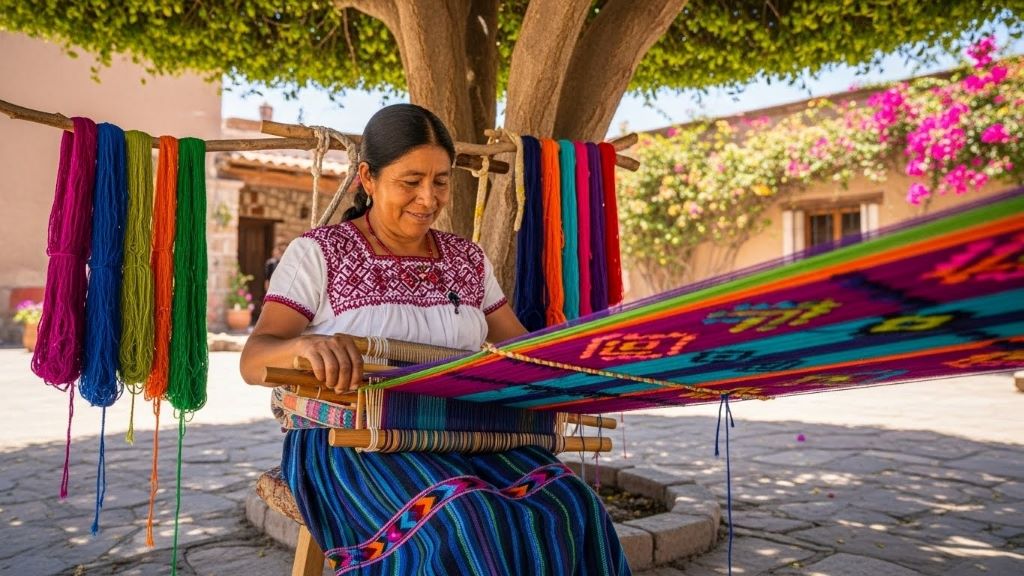
Mexican textile traditions offer a beautiful path toward sustainable fashion. These fabrics combine ancient techniques with modern eco-conscious practices. Therefore, they provide an excellent alternative to fast fashion materials.
The Rich Heritage of Mexican Textiles
Mexico has produced stunning fabrics for thousands of years. Indigenous communities developed weaving techniques that respect nature. Additionally, these methods have been passed down through generations. Today, artisans continue creating textiles using traditional looms and natural materials.
The country’s diverse regions each contribute unique styles. For instance, Oaxaca is famous for its wool textiles. Meanwhile, the Yucatan Peninsula produces beautiful cotton fabrics. These regional differences add richness to Mexican textile culture.
Why Choose Eco-Friendly Mexican Fabrics
Sustainable Mexican textiles offer numerous benefits for conscious consumers. First, they support local artisan communities. Second, they reduce environmental impact. Moreover, these fabrics tell meaningful stories through their patterns and colors.
Traditional production methods use minimal resources. Artisans work with hand looms that require no electricity. Consequently, the carbon footprint remains extremely low. This approach contrasts sharply with industrial textile manufacturing.
Natural Fibers Used in Mexican Textiles
Organic Cotton
Mexican organic cotton grows without harmful pesticides. Farmers use traditional cultivation methods. The cotton is soft, breathable, and biodegradable. Furthermore, it requires less water than conventional cotton when grown sustainably.
Wool from Local Sheep
Communities in highland regions raise sheep naturally. The animals graze freely on native plants. Artisans clean and spin the wool by hand. This process creates durable, warm fabrics perfect for outerwear.
Agave Fibers
The agave plant provides strong, versatile fibers. These fibers create textiles similar to linen. However, agave requires less water than many crops. The plant thrives in Mexico’s dry climate naturally.
Silk from Indigenous Silkworms
Some regions produce wild silk from native silkworms. This silk differs from commercial varieties. The production process respects natural life cycles. Therefore, it aligns with ethical fashion principles.
Traditional Dyeing Techniques
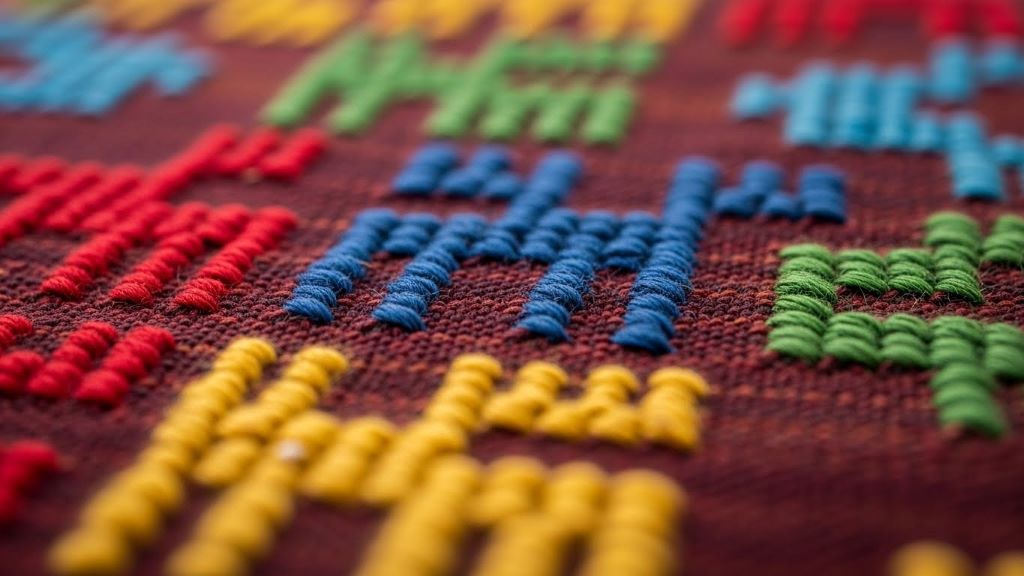
Natural dyes form the foundation of eco-friendly Mexican textiles. Artisans extract colors from plants, minerals, and insects. Additionally, these dyes create no toxic waste.
Cochineal Insects
Cochineal produces stunning red and pink shades. These tiny insects live on cactus plants. Harvesting them provides income for rural families. The dye is completely natural and safe.
Indigo Plants
Blue dyes come from locally grown indigo plants. The fermentation process uses no harmful chemicals. Moreover, indigo creates colorfast fabrics that last for years.
Plant-Based Colors
Artisans use flowers, bark, and roots for various hues. Marigolds create golden yellows. Tree bark produces browns and tans. Each color connects the fabric to the land.
The Backstrap Loom Tradition
The backstrap loom represents ancient weaving technology. One end attaches to a tree or post. The other connects to the weaver’s waist. This simple tool creates intricate patterns efficiently.
Women traditionally master this technique. They can work anywhere without electricity. The portability allows weaving to fit into daily life. Consequently, this practice sustains communities economically.
Benefits for Conscious Fashion Brands
Fashion brands increasingly seek authentic sustainable materials. Mexican eco-fabrics offer several advantages. They provide unique aesthetics unavailable elsewhere. Additionally, they come with compelling stories.
Partnering with Mexican artisans supports fair trade. Workers receive fair compensation for their skills. This relationship builds long-term sustainability. Furthermore, it preserves cultural heritage.
According to Fashion Revolution, transparent supply chains matter greatly to conscious consumers. Mexican textile cooperatives often provide complete traceability. Buyers know exactly who made their fabric and how.
Challenges and Solutions
Despite their benefits, eco-friendly Mexican fabrics face obstacles. Production scales remain small compared to industrial textiles. However, this limitation also ensures quality and authenticity.
Connecting artisans with global markets presents logistical challenges. Nevertheless, social enterprises are building these bridges. They handle export requirements and marketing. Therefore, artisans can focus on their craft.
Education about fabric care helps extend product lifespan. Natural fibers may require different washing methods. Brands can provide clear instructions to customers. This approach maximizes sustainability benefits.
How to Incorporate Mexican Fabrics into Your Wardrobe
Starting with accessories offers an easy entry point. Scarves, bags, and belts showcase beautiful textile work. These items add unique touches to any outfit. Moreover, they spark conversations about sustainable fashion.
Statement pieces like jackets or dresses make bold impressions. The vibrant colors and patterns stand out naturally. Therefore, fewer pieces are needed to create memorable looks. This aligns perfectly with minimalist fashion principles.
Home textiles provide another avenue for exploration. Pillows, throws, and table runners bring Mexican artistry indoors. These items typically last for decades with proper care. Consequently, they represent excellent long-term investments.
Supporting Artisan Communities
Purchasing eco-friendly Mexican fabrics directly impacts lives. Artisan families gain stable income sources. Children can attend school instead of working. Additionally, traditional knowledge gets passed to younger generations.
Many cooperatives reinvest profits into community development. They build schools, health clinics, and water systems. Therefore, each purchase contributes to broader positive change.
Women particularly benefit from textile work. It provides economic independence within their communities. They can work from home while managing family responsibilities. This flexibility empowers women significantly.
The Future of Sustainable Mexican Textiles
Innovation continues within traditional frameworks. Artisans experiment with new natural dye sources. They develop hybrid techniques combining old and new methods. However, they maintain eco-friendly principles throughout.
Younger generations are embracing textile arts anew. Social media helps them reach global audiences. Online platforms connect them with conscious consumers directly. Therefore, the future looks bright for Mexican eco-fabrics.
Climate change makes sustainable materials increasingly important. The fashion industry must reduce its environmental impact. Mexican textiles demonstrate that beautiful, durable fashion can exist sustainably. Consequently, they offer a model for the industry’s future.
Conclusion
Eco-friendly Mexican fabrics represent fashion’s sustainable future. These textiles honor ancient traditions while meeting modern needs. They support artisan communities and protect the environment simultaneously. Moreover, they offer unique beauty unavailable in mass-produced materials.
Choosing Mexican eco-fabrics makes a powerful statement. It demonstrates commitment to ethical consumption. Additionally, it helps preserve invaluable cultural heritage. The fashion industry benefits when consumers support such meaningful alternatives.
As awareness grows, demand for sustainable textiles increases. Mexican artisans stand ready to meet this demand. Their skills, passed down through centuries, create fabrics the world needs now. Therefore, incorporating these textiles into your wardrobe supports a better fashion future for everyone.
Frequently Asked Questions
Are eco-friendly Mexican fabrics more expensive than regular fabrics?
Yes, they typically cost more due to handmade production and fair wages. However, their durability and quality provide better long-term value. Additionally, you support artisan communities with each purchase.
How do I care for garments made from Mexican natural fabrics?
Hand washing in cold water works best for most pieces. Use gentle, natural detergents without harsh chemicals. Air drying preserves colors and fibers. Always check specific care instructions from the maker.
Can I buy authentic Mexican eco-fabrics online?
Yes, many cooperatives and fair trade organizations sell online. Look for certifications and detailed product information. Read reviews and verify the seller’s connection to artisan communities. Reputable sites provide transparency about their sources.
What makes Mexican textiles more sustainable than industrial fabrics?
They use natural materials, traditional hand production, and plant-based dyes. No electricity or harmful chemicals are involved. The small-scale production reduces waste significantly. Additionally, they support local economies sustainably.
How can I verify that Mexican fabrics are genuinely eco-friendly?
Look for fair trade certifications and artisan cooperative partnerships. Ask about fiber sources and dyeing processes. Reputable sellers provide detailed information about their production methods. Transparency indicates genuine commitment to sustainability.
Related Topics:
Elevate Your Green Dress: The Ultimate Guide to Choosing Shoe Color
Denim, The Chameleon of Wardrobe: 7 Styling Tricks for Every Event