
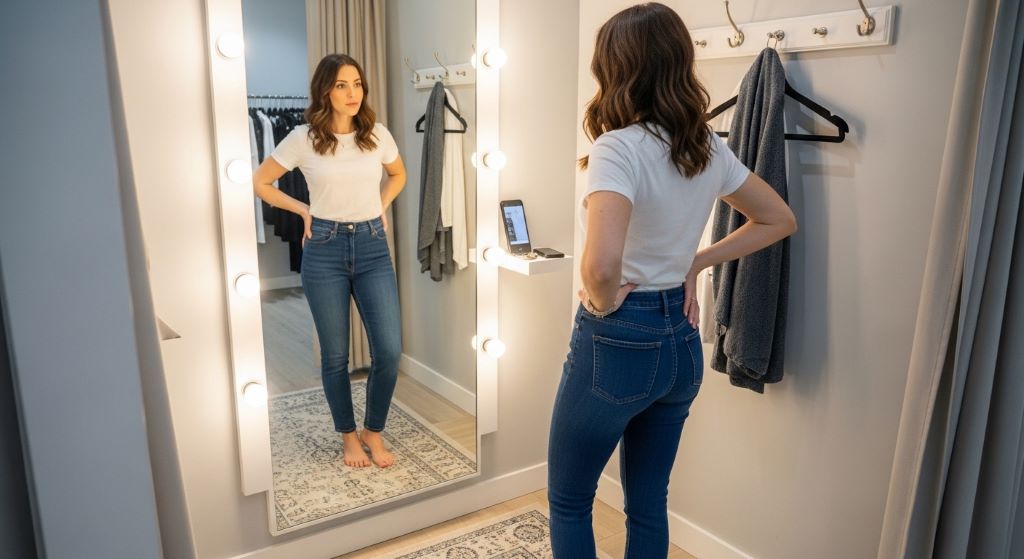
Finding the perfect pair of jeans or trousers can feel overwhelming. There are so many styles, cuts, fabrics, and sizes to choose from. However, once you understand a few key principles, shopping becomes much easier and far more enjoyable.
The right pair of bottoms can transform your entire silhouette. They can make you look taller, more confident, and perfectly put together. Therefore, knowing how to choose well-fitted jeans or trousers is one of the most valuable style skills any woman can develop.
This guide walks you through everything you need to know. From understanding your body shape to picking the right fabric, every detail matters. Additionally, this article will help you avoid the most common fitting mistakes women make when buying bottoms.
Why the Right Fit Matters More Than the Right Style
Many women focus on finding a trendy style before thinking about fit. This is a common mistake. A perfectly trendy pair of trousers that fits poorly will never look as good as a classic cut that fits like a glove.
Fit is the foundation of great style. When your jeans or trousers fit well, they enhance your natural shape. They create smooth lines and a balanced proportions. Additionally, well-fitted bottoms are simply more comfortable to wear throughout the day.
Therefore, before you think about color, pattern, or style, always think about fit first. Everything else comes second.
Understanding Your Body Shape
The first step in finding flattering bottoms is understanding your body shape. Every woman’s body is unique, but most figures fall into a few general categories. Knowing yours helps you identify which cuts will work best.
Here are the most common body shapes and what tends to work well for each:
- Hourglass figure: You have balanced shoulders and hips with a defined waist. Most cuts work well for you. High-waisted jeans and tailored trousers are especially flattering because they highlight your natural curves.
- Pear shape: Your hips are wider than your shoulders. Look for straight-leg or bootcut trousers that balance the upper and lower body. Avoid very tight styles that cling to the hips without any flare below.
- Apple shape: You carry more weight around the middle, with slimmer hips and legs. Mid-rise straight-leg trousers work beautifully. They create a longer, leaner silhouette without drawing attention to the midsection.
- Rectangle shape: Your shoulders, waist, and hips are roughly the same width. You can create the illusion of curves with wide-leg trousers or jeans with a slight flare. High-waisted styles also help define the waist.
- Inverted triangle: Your shoulders are broader than your hips. Wide-leg or flared trousers add volume to the lower half, creating a more balanced look overall.
Understanding your shape is not about hiding anything. It is about dressing in a way that makes you feel your most confident and comfortable.
The Importance of Rise: Low, Mid, or High?
The rise of a pair of jeans or trousers refers to the distance between the crotch seam and the waistband. It has a significant impact on how the garment fits and flatters your figure.
Low-rise styles sit below the natural waist, usually just above the hips. They can look stylish but tend to be less flattering for most body types. Additionally, they can feel uncomfortable when sitting or bending.
Mid-rise bottoms sit at or just below the natural waist. They are the most universally flattering option. They offer a comfortable fit without being too tight or too loose around the midsection. Therefore, mid-rise is a great starting point if you are unsure what works for you.
High-rise styles sit at or above the natural waist. They are extremely popular right now, and for good reason. They elongate the legs, define the waist, and create a smooth, streamlined look. High-waisted jeans are especially flattering for hourglass and pear-shaped figures.
Choosing the Right Cut and Silhouette
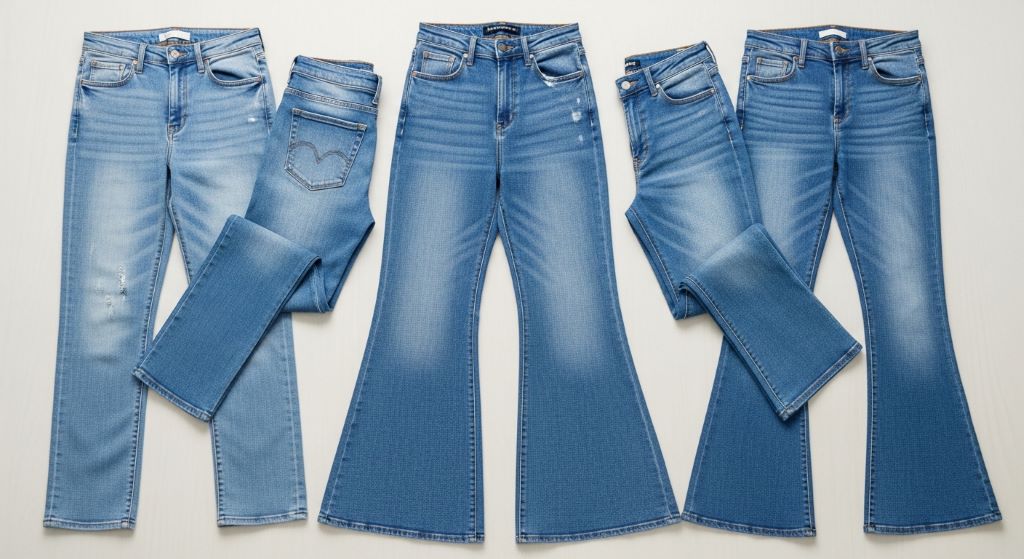
Once you understand rise, the next step is choosing the right cut. The cut of your trousers or jeans determines how the fabric falls from the hip to the hem. Each cut creates a different visual effect.
Straight-leg cut: The leg opening is the same width from thigh to ankle. This is a timeless, versatile cut that works for almost every body type. It looks equally polished with heels and flat shoes. Therefore, every woman should have at least one straight-leg option in her wardrobe.
Bootcut: The leg is slightly flared from the knee down. This cut balances wider hips beautifully. It also makes legs look longer when paired with a heel. Additionally, bootcut trousers look elegant and professional in tailored fabrics.
Skinny fit: The fabric hugs the leg from hip to ankle. Skinny jeans are great for showing off long legs. However, they can feel restrictive. If you love this cut, look for styles with some stretch fabric for added comfort.
Wide-leg: The leg is significantly wider from the hip down. Wide-leg trousers are chic and incredibly flattering when the proportions are right. They look best when worn with a fitted top that balances the volume below.
Flared: Similar to wide-leg but with more dramatic flare starting from the knee. Flared trousers and jeans create a retro, fashion-forward look. They also elongate the silhouette when worn with a slight heel.
Tapered: The leg is wider at the thigh and narrows toward the ankle. This cut works well for most body types. It is a modern, relaxed alternative to the skinny fit.
Getting the Waistband Right
The waistband is one of the most overlooked aspects of trouser fit. However, it can make or break the entire look. A waistband that gaps, pinches, or digs in will never look flattering, no matter how perfect the rest of the fit is.
The waistband should sit comfortably against your skin without pulling or sagging. You should be able to slip two fingers inside without straining the fabric. Additionally, when you sit down, the waistband should stay in place without folding over or rolling down.
If you frequently experience waistband gapping at the back, this is often a sign that the cut is not suited to your hip-to-waist ratio. In this case, look for brands that offer adjustable waistbands or consider having your trousers altered by a tailor.
The Right Length for Every Occasion
Trouser and jeans length affects both comfort and style significantly. The wrong length can make you look shorter, throw off your proportions, or simply look sloppy.
Full length: The hem just grazes the top of your foot. This is the most elongating option and works beautifully with both heels and flat shoes.
Ankle length: The hem sits just above the ankle bone. This is a modern, clean length that looks polished in both casual and professional settings. Additionally, ankle-length trousers are very practical for warmer weather.
Cropped: The hem sits mid-calf or above. This length can look stylish but works best when paired with shoes that elongate the leg, such as pointed-toe flats or heeled mules.
When trying on trousers, always wear the type of shoes you plan to pair them with. The difference in heel height can dramatically change how the length looks and feels.
Fabric Choices and What They Mean for Fit
Fabric plays a huge role in how jeans and trousers fit and flatter the body. Different materials drape, stretch, and hold shape in very different ways.
Denim: The classic fabric for jeans. It comes in a wide range of weights and stretch levels. Non-stretch denim holds its shape well and looks crisp. Stretch denim with elastane added offers more comfort and flexibility throughout the day.
Cotton twill: A sturdy, structured fabric used in many tailored trousers. It holds its shape beautifully and looks polished. However, it offers little stretch, so sizing up slightly is sometimes necessary.
Linen: Lightweight and breathable, linen trousers are perfect for warm weather. They wrinkle easily, which gives them a relaxed, casual feel. Therefore, linen is best suited to laid-back outfits rather than formal occasions.
Ponte knit: A thick, stretchy fabric that holds its shape very well. Ponte trousers are incredibly flattering because the fabric smooths the silhouette without clinging. Additionally, they are very comfortable for all-day wear.
Satin and silk blends: These fabrics drape beautifully and have a luxurious feel. They work well in wide-leg styles and are best reserved for evening or special occasion outfits.
Common Fitting Mistakes to Avoid
Even with the best intentions, many women make the same fitting mistakes when buying jeans or trousers. Being aware of these can save you a lot of time and money.
Buying too tight: Many women buy bottoms that are too snug, thinking they will stretch over time. While some fabrics do give slightly, relying on this is risky. Always buy the size that fits comfortably from the start.
Ignoring the thigh fit: The thighs are often the most problematic area in trouser fitting. If the fabric pulls across the thighs when you walk or sit, the fit is too tight. Look for a cut with more room through the thigh, even if the waist fits well.
Skipping the tailor: A skilled tailor can transform a pair of trousers that almost fits into a pair that fits perfectly. Hemming, taking in the waist, or adjusting the seat are all relatively inexpensive alterations that make a significant difference.
Choosing style over comfort: If you are uncomfortable in your bottoms, it will show. Confidence comes from comfort. Therefore, always prioritize how a pair feels, not just how it looks on the hanger.
How to Shop Smart for Jeans and Trousers
Shopping with a clear strategy saves time and helps you make better decisions. Here are some practical tips to keep in mind the next time you shop for bottoms.
- Always try before you buy. Sizing varies enormously between brands, so never rely on the number on the label alone.
- Wear or bring the undergarments you plan to wear with the trousers. This gives you a more accurate idea of the fit.
- Move around in the fitting room. Sit down, walk, and bend over. A pair of trousers should feel comfortable in all positions.
- Check the back view carefully. The fit across the seat and the length of the rise are much easier to assess from behind.
- Take your time. Rushing leads to impulse purchases you later regret.
Conclusion
Choosing well-fitted jeans or trousers is one of the most impactful decisions you can make for your wardrobe. The right pair enhances your shape, boosts your confidence, and works across many different outfits and occasions.
Start by understanding your body shape and identifying which cuts and rises tend to flatter your figure most. Additionally, pay close attention to waistband fit, fabric choice, and trouser length. These details are often overlooked but make a significant difference in the final look.
Remember, fit always comes before trend. A timeless cut in a well-made fabric that fits your body perfectly will always look better than the latest style in the wrong size. Therefore, invest time in finding what truly works for you.
Finally, do not be afraid to visit a tailor. Small adjustments can turn a good pair of trousers into a perfect one. With the right knowledge and a little patience, finding flattering bottoms becomes an enjoyable part of building a wardrobe you truly love.
Frequently Asked Questions
What type of jeans are most flattering for a pear-shaped body?
Bootcut and straight-leg jeans tend to be the most flattering for pear-shaped figures. These cuts add balance between the hips and shoulders by creating a slight flare below the knee. High-waisted options also help define the waist and create a more proportioned silhouette.
How do I know if my trousers fit correctly in the waist?
Your trousers fit correctly in the waist if you can comfortably slide two fingers inside the waistband without straining. Additionally, the waistband should not dig in, gap at the back, or roll over when you sit. If any of these issues occur, the fit needs adjustment.
Are wide-leg trousers suitable for petite women?
Yes, but proportions matter. Petite women can wear wide-leg trousers beautifully by pairing them with a fitted, tucked-in top and a slight heel. This combination elongates the legs and prevents the wide-leg fabric from overwhelming a smaller frame. Cropped wide-leg styles often work especially well.
What is the best fabric for trousers that look professional all day?
Ponte knit and cotton twill are excellent choices for professional settings. Ponte knit holds its shape, resists wrinkles, and offers comfortable stretch throughout the day. Cotton twill has a crisp, polished appearance that suits office environments well. Both fabrics maintain a neat look from morning to evening.
Should I size up or size down when buying jeans with no stretch?
Always size up when buying non-stretch denim. Rigid denim does not give over time the way stretch fabric does. A pair that fits snugly in the shop will feel uncomfortably tight after a full day of wear. Choose the size that feels comfortable when you first try them on, then have them tailored if needed.
Related Topics:
How to Style a Drop Waist Dress Without Looking Frumpy
How to Wear Athleisure Chic: Comfort Meets Style