
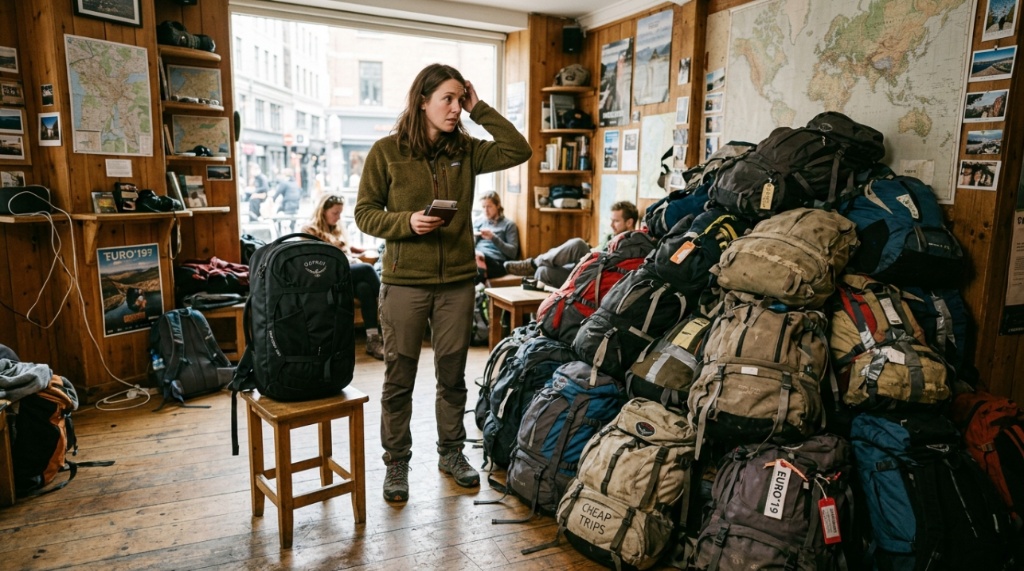
You’ve saved up, you’re excited, and you finally pull the trigger on a new travel backpack. Three days into a trip, your shoulders ache, your clothes are wrinkled, and you can’t find anything without emptying the entire bag. You bought the wrong backpack. It’s a frustrating mistake that wastes money and ruins trips. The truth is, most travelers choose based on looks or price rather than fit, functionality, and durability. If you want to avoid this common pitfall, you need a clear framework for evaluation. This guide will walk you through the exact criteria for finding the best travel backpacks travel backpacks that actually work for your body and itinerary. By the end, you’ll know exactly what to look for—and what to avoid.
What Is the Most Common Mistake People Make When Buying a Travel Backpack?
The single biggest mistake is buying a backpack based on online hype or a single review without considering your torso length and trip type. Most people grab a 65-liter pack because “everyone says bigger is better,” then end up overpacking or suffering from back pain. The right backpack fits your body first and your gear second.
Fit is non-negotiable. A backpack that doesn’t align with your spine will cause discomfort regardless of padding or suspension quality. Additionally, the volume you need depends entirely on your travel style. A digital nomad needs 30–40 liters, while a wilderness trekker may need 55–70 liters. Don’t buy a mountaineering pack for a hostel-hopping Europe trip. Match the bag to the mission, not the marketing.
The Torso Length Rule
Your backpack should sit two inches above your hips and end at your C7 vertebra (the bony bump at the base of your neck). Measure your torso length before you shop. Most brands offer small, medium, and large frames. Ignoring this simple step is why so many travelers end up with bruised hips or strained shoulders.
Why Does Backpack Weight Distribution Matter So Much?
Weight distribution determines whether you feel fresh after a day of walking or if you want to collapse. A poorly distributed load puts pressure on your shoulders and lower back. Proper distribution transfers 80–90% of the weight to your hips, leaving your shoulders relaxed and your spine aligned.
A good travel backpack has a load-lifting strap, a sternum strap, and a padded hip belt. These components work together to keep the load close to your center of gravity. When the pack is loaded, the weight should sit high and tight against your back. If the bag sags away from your body, you’ll fight it all day. Always test a loaded backpack in the store—not an empty one—to feel the true weight distribution.
Signs of Bad Weight Distribution
- Shoulder straps dig in after 20 minutes
- The pack pulls you backward
- Your lower back arches to compensate
- You constantly adjust the straps
How Can You Tell If a Backpack Will Last More Than One Trip?
Look at the fabric denier, zipper type, and stitching quality. A backpack meant for travel should use at least 400-denier nylon or polyester. YKK zippers are the industry standard. Bar-tack stitching at stress points indicates durability. Avoid bags that use plastic buckles on load-bearing straps—they break.
Also, check the bottom panel. Many budget backpacks use thin fabric on the bottom that wears through quickly after being set down repeatedly. A reinforced or double-layered bottom is a must. If the manufacturer won’t list the denier or zipper brand, that’s a red flag. You want a bag that survives airport tosses, bus floors, and hostel storage without losing a strap or splitting a seam.
Durability Checklist
- Main fabric: 400D–1000D nylon or polyester
- Zippers: YKK reverse coil or waterproof
- Stitching: Double or triple-stitched at stress points
- Bottom: Reinforced or heavy-duty material
- Buckles: Metal or heavy-duty plastic (e.g., Duraflex)
Which Backpack Style Is Best for Air Travel?
A clamshell-opening backpack with a laptop sleeve and personal-item dimensions is best for air travel. This style opens like a suitcase, making airport security and in-seat access easy. Backpacks that top-load like a traditional hiking pack force you to dig for items and are terrible for overhead bins.
Many airlines now enforce strict carry-on size limits, typically around 22 x 14 x 9 inches. A bag that fits these dimensions avoids checked-bag fees and lost luggage drama. Also, look for a backpack with a “briefcase” or “luggage” pass-through strap that slides over your suitcase handle. This single feature transforms a backpack from a shoulder-straining burden into a rolling companion.
Air-Travel Features to Prioritize
| Feature | Why It Matters |
|---|---|
| Clamshell opening | Fast access and easy packing |
| Laptop compartment | TSA-friendly, no need to remove laptop |
| Luggage pass-through | Attaches to rolling suitcase |
| Carry-on dimensions | Avoids checked bag fees |
Can You Use a Hiking Backpack for Urban Travel?
Yes, but with major caveats. A hiking backpack works for urban travel if it has a removable frame, compression straps, and a hip belt that can be stowed. However, most hiking packs lack organization pockets, laptop sleeves, and security features like hidden zippers. They also look out of place in cities, making you a target for pickpockets.
If you only own a hiking pack, it will function in a pinch for a hostel-heavy trip. But for city-to-city travel with electronics and valuables, a dedicated travel backpack is far superior. Travel-specific packs combine hiking comfort with urban utility—think lockable zippers, interior organizer panels, and water-resistant materials.
What Are the Red Flags of a Low-Quality Travel Backpack?
If a backpack is suspiciously cheap, has thin straps, or lacks any suspension system, it’s a red flag. Avoid bags that feel floppy when empty—they have no internal structure to support a load. Also, beware of “one size fits all” claims. Backpacks are not one-size-fits-all unless the brand offers a fully adjustable torso system.
- Thin shoulder straps: Will dig in under any weight
- No hip belt: Load goes entirely on shoulders
- Cheap zippers: Will jam or separate
- Flimsy fabric: Tears easily on rough surfaces
- No internal frame: Bag collapses and distributes weight poorly
How Many Liters Do You Really Need for a Week-Long Trip?
For a week-long trip, 35 to 45 liters is the sweet spot for most travelers. This volume forces you to pack light while still accommodating a laptop, toiletries, and a few outfit changes. Anything larger encourages overpacking, which leads to a heavy bag and sore muscles.
Consider your climate and activities. Cold-weather trips with bulky jackets may push you toward 45–50 liters. Tropical trips can be done in 25–30 liters. The goal is to have a bag that fits under an airline seat or in an overhead bin while still being comfortable to carry for 30 minutes of walking. Remember: you carry the bag, so less volume usually equals more comfort.
Volume Guide by Trip Duration
- Weekend trip: 20–30 liters
- 1 week: 35–45 liters
- 2 weeks: 45–55 liters
- Long-term travel: 50–65 liters
Why Do Some Backpacks Cause Shoulder and Neck Pain?
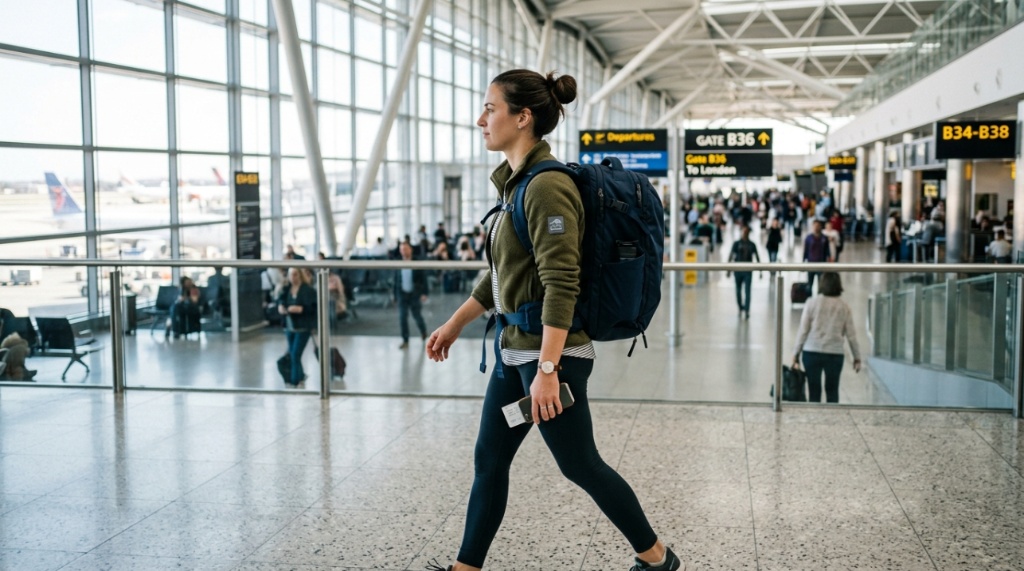
Shoulder and neck pain happens when the backpack’s frame is too short for your torso, or when the hip belt is not doing its job. The hip belt should wrap snugly around your iliac crest (the top of your hip bones). If the belt sits too low or too high, the weight stays on your shoulders.
Another culprit is poor posture. A heavy backpack pulls your shoulders back, causing your upper back to overwork. Look for a backpack with an adjustable torso length and load-lifter straps that angle the top of the pack toward your shoulders. These features fix the geometry, letting your hips carry the load and your spine stay neutral.
Is a Backpack with a Laptop Compartment Worth It?
Absolutely. A dedicated laptop compartment is worth it for anyone carrying electronics. It isolates your laptop from the main compartment, preventing scratches and pressure damage. It also makes airport security faster—you can slide the bag through the scanner without opening the main compartment.
Look for a compartment that is padded on all sides and suspended slightly off the bottom. A padded false bottom means that if you drop the bag, the laptop doesn’t hit the ground first. This single feature can save your device from a costly crack.
How Do You Test a Backpack Before Buying?
Load the backpack with 10–15 pounds of weight (store employees usually have sample weights or you can use water bottles), wear it for 15 minutes, and walk around the store. Pay attention to pressure points, especially on your shoulders and hips. Adjust all straps to see if the bag molds to your back.
Also, simulate real-world use. Unzip and zip the main compartment 10 times. Open and close any side pockets. Hook and unhook the sternum strap. If anything feels flimsy or misaligned in a 15-minute test, it will only get worse with daily use. A quality backpack feels solid and comfortable from the moment you put it on.
Choosing the right main pack is crucial, but how you organize your smaller gear matters just as much. While navigating transit, keep your absolute daily essentials separate and accessible. Learn how to Pack Smart Using Travel Tote Bag Essentials to perfectly complement your main luggage setup.
Frequently Asked Questions
What is the ideal weight for a travel backpack?
The ideal empty weight is under 3 pounds for a 35-liter bag. Heavier bags eat into your weight allowance and tire you out faster. Ultralight options can be under 2 pounds but may sacrifice durability.
Can I bring a 40L backpack as a carry-on?
Most airlines allow 40L backpacks as carry-ons if they are within size limits (usually 22 inches x 14 inches x 9 inches). Check your airline’s specific requirements before booking.
Should I buy a backpack with a daypack?
Only if you actually use a daypack for daily excursions. Many travel backpacks come with a detachable daypack, but this adds weight. A better option is an ultralight packable daypack that weighs under 6 ounces.
How often should I replace my travel backpack?
With proper care, a high-quality travel backpack lasts 5–10 years. Replace it when you notice broken zippers, torn straps, or worn-out padding that cannot be repaired.
Is it better to have a top-loading or panel-loading backpack?
Panel-loading (clamshell) is better for travel because it allows full access to your gear. Top-loading is superior for hiking where compression and waterproofness matter more than quick access.
What is the best way to pack a travel backpack?
Heavy items go close to your back and at the middle height of the bag. Light items go at the bottom and top. Use packing cubes for organization and compression. This keeps the weight centered and prevents the bag from feeling unbalanced.
Do I need a waterproof backpack for travel?
A water-resistant backpack is usually sufficient for most travel. If you expect heavy rain, bring a pack cover or use a dry bag inside. Fully waterproof backpacks are heavier and less breathable.
Conclusion
Avoiding the wrong travel backpack comes down to knowing your body, your itinerary, and the features that actually matter. Ignore flashy marketing and focus on fit, weight distribution, durability, and practicality. Measure your torso length, match volume to your trip length, and always test a loaded bag before committing. A quality travel backpack is an investment in your comfort and safety on the road. It’s the thing between you and every adventure, so choose wisely. Take the time to research, try on multiple options, and read honest reviews from real travelers. If you are looking for a curated selection of high-value options that balance quality with affordability, explore the best travel backpacks travel backpacks that have been tested and reviewed for real-world travel. Don’t let another trip be ruined by a bad bag. Start with the right pack, and everything else falls into place.