
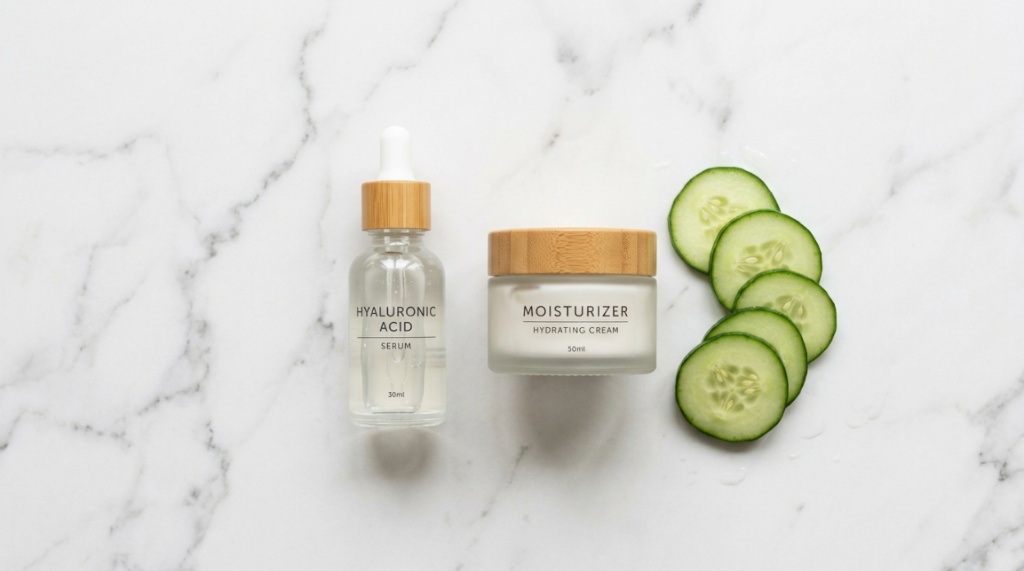
Let’s be honest—finding a truly effective anti-aging face cream in Washington can feel like an endless maze of promises, glossy packaging, and hefty price tags. You’re not just looking for a moisturizer; you’re seeking a product that genuinely targets fine lines, restores firmness, and protects your skin from the unique environmental stressors of the Pacific Northwest. The problem is that the market is saturated with options, and making a wrong choice means wasted money and delayed results. But it doesn’t have to be this complicated. This guide is your direct route to cutting through the marketing noise, understanding the science of skin aging, and pinpointing a formula that fits your specific needs, budget, and lifestyle.
What Makes a Face Cream Truly “Anti-Aging” in 2026?
A true anti-aging face cream is a scientifically formulated topical treatment that combines active ingredients to address visible signs of aging—like wrinkles, loss of elasticity, and dullness—rather than just providing surface-level hydration. In 2026, the best formulations go beyond simple moisturizers, incorporating peptides, retinoids, growth factors, and antioxidants in stable, skin-optimal concentrations. They are designed to work with your skin’s natural renewal cycle, stimulating collagen production and repairing barrier function over consistent use.
Key Active Ingredients That Actually Work
The efficacy of an anti-aging cream hinges on its ingredient list. Look for a concentration of proven actives rather than a laundry list of negligible botanical extracts. Retinol and its derivatives remain the gold standard for collagen stimulation, while peptides act as cellular messengers to signal repair. Vitamin C (in its stable forms like Ascorbic Acid or Tetrahexyldecyl Ascorbate) is crucial for brightening and fighting oxidative stress. Niacinamide (Vitamin B3) is the workhorse for improving elasticity and reducing redness, while Hyaluronic Acid plumps the skin by drawing in moisture.
The Role of Peptides and Growth Factors
Peptides are short chains of amino acids that form the building blocks of proteins like collagen and elastin. When applied topically, they signal the skin to produce more of these firming proteins, leading to a smoother, more resilient complexion over time. Growth factors, often derived from stem cells or bioengineered processes, are a newer frontier in 2026 formulas. They act as intensive repair messengers, accelerating cell turnover and promoting faster recovery, making them ideal for mature skin.
Sun Protection as a Non-Negotiable Component
Any anti-aging cream without broad-spectrum SPF is incomplete, but standalone sunscreens remain essential. While many daytime creams now include SPF 30 or higher, you should always verify cosmetic elegance. In Washington’s overcast climate, UV exposure is still a significant aging factor, and blue light from screens is an emerging concern. Look for creams that mention “iron oxides” or “blue-light filters” if you’re worried about digital aging, but never skip a dedicated sunscreen in your morning routine.
Why Is Washington’s Climate Unique for Skin Aging?
Washington state, particularly the Seattle metro area, presents a unique combination of low humidity, seasonal temperature swings, and poor air quality in urban pockets that accelerates dehydration and barrier compromise. The key difference for local residents is that a heavy, oil-based cream might clog pores in summer, while a light gel fails in winter. An effective anti-aging strategy here requires a “smart” moisturizer that adapts to fluctuating moisture levels.
Humidity Levels and Hydration Needs
Outdoor humidity in the Pacific Northwest is actually moderate to high, but indoor heating in the fall and winter drastically dries out the air in homes and offices. This creates a constant “tug-of-war” for your stratum corneum, often leading to a weakened skin barrier that loses water rapidly. In 2026, look for creams with “humectant complexes” that draw water from the air, combined with “occlusives” like Squalane or Shea Butter to lock it in, ensuring 24-hour hydration without a greasy residue.
Air Quality Index and Antioxidant Defense
Urban areas like Seattle and Tacoma experience occasional high AQI readings due to traffic and industrial emissions. These environmental pollutants generate free radicals that break down collagen and elastin. A face cream formulated for Washington residents should be rich in lipophilic antioxidants—like Vitamin E, Ferulic Acid, and CoQ10—which can neutralize these localized aggressors. This is a nuanced factor often missed by generic “best of” lists but is critical for long-term skin health.
Adjusting Your Formula by Season
Washington’s four distinct seasons mean your winter cream may not be suitable for summer. A heavier, ceramide-rich formula is ideal from November to March, while a lighter, water-gel texture with hyaluronic acid performs better in July and August. Rather than buying a single “hero” product, consider this a two-step wardrobe: a “winter weight” and a “summer light” cream to maintain optimal function year-round.
How Do You Choose Between Prescription Retinoids and OTC Peptides?
Choosing between a prescription retinoid (like Tretinoin) and an over-the-counter peptide cream depends entirely on your skin’s tolerance and your commitment to a strict routine. Retinoids are the most potent anti-aging agents for deep wrinkles, but they often cause peeling and redness for the first few weeks. Peptide creams are gentler, easier to integrate into a busy schedule, and perfect for prevention or for those who cannot tolerate the harsh side effects of retinoids. Looking for the perfect outfit after pampering your skin for a big event? Check out our guide on how to style a feather dress for weddings.
Pros and Cons of Retinoids for Fast Results
Retinoids work by speeding up cellular turnover at a rapid rate. Pros include dramatically reduced fine lines, improved texture, and unclogged pores. Cons include a high risk of irritation, increased sun sensitivity, and a “purging” phase that can be discouraging. In Washington’s winter, prolonged retinoid use can enhance skin flakiness due to the already low indoor humidity; therefore, you must pair it with an intensive barrier repair cream.
Why Peptide Creams Are a Gentle Alternative
Peptide-based creams, such as those containing “Matrixyl” or “Argireline,” offer a progressive approach. They are excellent for maintaining healthy skin in your 20s and 30s and for improving elasticity without irritation. They can be used in the morning, unlike retinoids, and combine well with makeup. However, results take longer to appear—typically 8-12 weeks of consistent use—and they are less effective for treating profound, static wrinkles.
Can You Use Both in One Routine?
Yes, you can use both, but not at the same time of day. A common strategy is to use a low-strength retinoid at night and a peptide-rich moisturizer during the day to support the skin barrier. This “barrier-boosting” strategy allows you to gain the benefits of both potent actives while minimizing side effects. Just introduce them slowly—start with every other night for the retinoid to let your skin acclimatize to the high altitude and dry climate.
Which Texture and Consistency Is Best for Your Skin Type?
The texture of your anti-aging cream is not just about feel; it dictates how well the active ingredients penetrate and how well your skin stays hydrated throughout the day. For oily or combination skin, a lightweight gel or fluid is crucial to prevent clogged pores and breakouts. For dry or mature skin, a rich, balm-like cream with high oil content provides necessary occlusivity to prevent transepidermal water loss.
Gels and Fluids for Oily and Combination Skin
Gels and fluids are primarily water-based with a high concentration of humectants like Glycerin and Hyaluronic Acid. They absorb quickly, leave a matte finish, and are perfect for daytime use under a separate SPF. They often contain hydrolyzed proteins to add firmness without the heaviness of oils. In 2026, many brands are perfecting “hydro-gel” formulas that maintain a light layer of moisture while delivering peptides efficiently.
Creams and Balms for Dry and Mature Skin
For dryer skin, occlusive ingredients are essential to seal moisture in and protect against the harsh winds. Rich creams containing Shea Butter, Ceramides, and Jojoba Oil create a physical shield on the skin. These formulas are thicker and provide a dewy finish, but they may sit heavy on the skin if you live in a high-humidity coastal area during the summer. Always patch-test a rich balm in warm weather to ensure it doesn’t trigger milia.
The Importance of Non-Comedogenic Labels
Regardless of your texture choice, ensuring the product is labeled “non-comedogenic” is paramount. Many luxurious anti-aging creams use heavy oils that can clog pores, leading to blackheads and blemishes. In Washington, where skin can become either dry or sweaty quickly, using a non-comedogenic formula prevents secondary breakouts while you wait for the aging benefits to kick in. This label is not FDA-regulated, so check the ingredient list for specific oils like “Coconut Oil” or “Isopropyl Myristate,” which are highly comedogenic.
How Much Should You Spend on a High-Quality Cream?
Price is often a proxy for research, packaging quality, and ingredient stability, but it does not guarantee miracle results. In 2026, effective anti-aging creams range from $25 to $200. The “sweet spot” for most evidence-based formulas falls between $50 and $90, where you can find clinical-strength peptides, stable antioxidants, and hygienic airless pump packaging without paying for excessive brand markup or aggressive marketing campaigns.
Budget-Friendly Options Under $50
You can find remarkably good options at drugstores and specialty retailers. Brands like The Ordinary and CeraVe offer retinol serums and peptide moisturizers at low costs because they skip fancy packaging and fragrance. These products are effective, but you may need to layer products (a separate serum and a moisturizer) to get the same results as an all-in-one premium cream.
Luxury Formulas Worth the Investment
Premiums brands often spend more on peptide complexes, growth factors, and advanced delivery systems that enable ingredients to penetrate deeper into the dermis. They also use a higher ratio of natural, patented actives. If you are over 50 and looking for a true “lifting” effect, a luxury formula may be worth the splurge, provided you verify the active ingredients rather than buying for the scent or status alone.
Analyzing Cost Per Use
When evaluating price, consider the dosage—many high-end brands are 30ml or 1 oz, typical shelf life 6 months. Look for a product that is effective in a “pea-sized” amount. A $70 cream that lasts 6 months is more economical than a $40 cream that requires a large dollop twice daily. Always consider the cost per use, not just the sticker price, to evaluate the true value proposition.
When Should You Start Using an Anti-Aging Cream?
The most impactful anti-aging action is prevention, so the ideal time to start is in your mid-20s, when collagen production begins to slow. However, it is never too late to start. In your 30s, focus on hydration and antioxidants; in your 40s, add peptides and low-grade retinoids; in your 50s and beyond, lean on intensive repair peptides and barrier-rich creams to restore density.
Signs It’s Time to Upgrade Your Moisturizer
If you notice that your standard moisturizer is no longer preventing “tight” feelings by lunchtime, get fine lines that disappear when hydrated, or an uneven texture in the mirror, it’s time to switch. Starting early prevents the formation of wrinkles, while starting later can still soften them. Pay attention to what you see—the mirror is the best indicator.
Consistency is More Important Than the Product
Using a great cream twice a week does more harm than using a decent one every day. For anti-aging, daily application of active ingredients is non-negotiable. The skin’s cell cycle takes roughly 28 days, and active ingredients need continuous exposure to trigger cellular changes. Missing days breaks the feedback loop and reduces the long-term effectiveness of the active compounds.
How to Layer with Serums and Sunscreens
A face cream is the last step before a SPF, but often the first step is a serum. In your routine, apply serum on damp skin, wait 60 seconds, then apply your anti-aging cream. This seals in the serum. In the morning, always apply SPF over the cream; in 2026, mineral SPFs with zinc oxide offer the safest and most stable protection, although newer chemical filters are also available but require careful micro-encapsulation to avoid skin penetration.
Is There a Benefit to “Growth Factor” and Biotech Creams?
Yes, growth factor creams represent the next frontier in regenerative beauty. Derived from human fibroblasts, stem cells, or bioengineered fermentation processes, these signaling proteins communicate with your skin cells to accelerate healing, increase collagen density, and improve firmness. Unlike peptides, which are building blocks, growth factors are messengers that tell your cells to work harder. These are top-tier options for maximizing skin health.
Animal-Derived vs. Plant-Based Growth Factors
Plant-based growth factors are generally more stable and vegan-friendly, but many dermatologists believe human-derived factors are more biologically compatible and thus more effective. However, human-derived factors are expensive and ethically controversial for some. A high-quality vegan formulation is a solid, practical choice for most users looking for a regenerative anti-aging effect without harsh side effects.
Stability and Packaging Challenges
Growth factors and peptides are fragile molecules. They are denatured by heat, light, and oxygen. Therefore, look for airless pumps and opaque or dark glass containers. Avoid creams sold in jars where you open the lid daily, introducing microbes that degrade the active components. A proper airless pump extends the shelf life and ensures every application is potent and safe.
Expectations vs. Clinical Reality
While growth factor creams show incredibly promising results in clinical trials, expecting a “facelift in a bottle” leads to disappointment. They can visibly plump the skin, minimizing the appearance of pores and fine lines, but they cannot tighten significant sagging skin. If you have dramatic elastosis or sagging jowls, these creams will not replace a surgical or minimally invasive procedure like radiofrequency therapy.
How Do You Decode the Label Without a Degree in Chemistry?
Decoding a cosmetic label is about learning to prioritize the first five ingredients and identifying the actives that matter for the aging process.
Here is a practical rule: water is usually first; a humectant like glycerin or hyaluronic acid follows. A silicone (e.g., Dimethicone) adds a smooth feel but is inert. The active peptides and antioxidants are usually listed between the 5th and 15th ingredient positions. Anything after that is likely an emulsifier, fragrance, or preservative, present in tiny quantities. If the active is at the bottom of the list, it’s likely a low concentration that may not be efficacious.
Percentage Concentrations and pH Levels
Respected brands will disclose percentages for key actives (e.g., “10% Ascorbic Acid” or “5% Niacinamide”). If not stated, look for a “Contact Dermatitis” certification or a clinical trial reference on the brand site. The pH level is crucial for exfoliating acids—if the cream contains AHA or BHA, it should be around a pH of 3.5-4.5, otherwise, it’s ineffective or irritating.
Fragrances and Essential Oils: The Hidden Pitfall
Fragrances—including naturally derived essential oils—are the number one cause of contact allergies and often the only trigger for irritation in an otherwise suitable cream. For anti-aging, which requires nightly use over months, skipping fragrance entirely minimizes inflammation, which is a major cause of collagen degradation. Try to choose “fragrance-free” formulations, not “unscented,” which often still contains masking fragrance.
Look for Clinical Trial Results
Peer-reviewed studies with in-vivo human testing are the gold standard. A brand that states “scientifically proven to reduce wrinkles by 35% in 8 weeks” and provides a third-party source is vastly more trustworthy than one with vague claims. Review the “Efficacy” data on the brand’s website; this demonstrates corporate transparency and product quality.
Can a Cream Fix Sagging Skin and Jowls?
No, a cream alone cannot significantly lift severe sagging skin or jowls. Sagging is caused by the skin’s deeper layer, the dermis, losing foundational collagen and elastin, and the movement of fat pads under the skin. A cream can offer temporary firming via polymers that tighten the skin’s surface, and long-term improvement of mild laxity through peptide-induced collagen synthesis, but you need professional treatments for true sculpting.
Skin-Care Supplements to Complement Your Cream
Oral supplements can provide the internal raw materials that your cream is trying to activate. Collagen peptides (specifically hydrolyzed collagen) taken orally have shown promise in improving skin density, while oral antioxidants like Vitamin C and Astaxanthin protect from UV-induced damage. Consider combining an oral collagen supplement from marine sources with your topical cream for a dual-action approach.
Devices and Tools to Boost Cream Absorption
To get more out of your cream, consider using a facial roller or a gua sha stone after application, which supports lymphatic drainage and reduces puffiness. More effective is a low-frequency LED light therapy mask (red or infrared) to stimulate ATP and collagen production inside the skin. Using these devices for 10 minutes, three times a week, then applying your cream, has been shown to boost the absorption of actives by up to 30%.
Professional Procedures That Beat Any Cream
For true sagging, dermatological procedures like microneedling, laser resurfacing, and ultrasound skin tightening provide the dramatic results that creams cannot. These procedures trigger a wound-healing response that rebuilds collagen structurally. However, these are costly and require downtime. A maintenance routine with an excellent face cream is still vital to sustain those results—they are complementary, not alternatives.
How to Match a Cream to Your Specific Skin Tones and Textures
Colorism and ethnicity matter in anti-aging because melanin-rich skin tends to show hyperpigmentation first, while lighter skin shows sagging and redness first. Your cream should be tailored to treat your primary aging concern. For example, if you experience post-inflammatory hyperpigmentation, your cream should contain tyrosinase inhibitors like Niacinamide or Kojic Acid alongside moisturizers.
Treating Hyperpigmentation with Brightening Actives
For those with darker skin tones, the first complaint is often dullness and dark spots rather than wrinkles. A high concentration of Vitamin C or Tranexamic Acid is crucial to disrupt excess melanin production. These ingredients should be incorporated into your anti-aging cream to even out skin tone while preventing further photoaging.
Managing Redness and Rosacea
If your skin is prone to flushing, ditch strong acids and retinoids. Instead, look for creams containing “Rhoifolin” or “SymSitive” which are specific to reducing skin sensitivity. These ingredients calm blood vessel dilation, reducing the red flush while still offering peptides to support skin elasticity.
Blue Light Protection for Digital Workers
Blue light (Hev light) is increasingly implicated in the formation of dark spots and fine lines. If you spend long hours in front of screens in Washington’s tech industries, using a “blue light” filtering cream containing iron oxides is smart. These pigments are natural and blend into the skin without acting as a thick sunscreen, making them an easy daily addition.
Why Is the Packaging and Shelf Life Crucial?
Anti-aging actives like Retinol and Vitamin C are incredibly unstable. They degrade when exposed to oxygen and light. A cream in a clear glass jar may look beautiful on your vanity, but it’s literally destroying the product’s effectiveness. Airless pumps, aluminum tubes, and opaque materials, such as dark blue or amber glass, are the only ways to preserve ingredient potency.
Airless Pumps vs. Jars
Jars allow exposure to air and bacteria every time you open the lid. If you’ve loved a cream but it comes in a jar, consider transferring it to a smaller, dark glass airless pump and keep it in the refrigerator to slow the degradation process.
PAO Symbols and Expiry Dates
The “PAO” symbol (Period After Opening) tells you how many months the formula is stable after opening, usually 6M or 12M. In 2026, look for creams that still maintain efficacy at the 12-month mark—this demonstrates a higher level of formulation sophistication. Always note the expiration date, and throw out old cream; the benefits fade, and the preservatives break down, risking bacteria growth.
Safe Storage Tips to Maximize Potency
Keep your cream in a cool, dark place away from direct sunlight and humidity. If you live in a place without air-conditioning, store your topical medications—retinods and vitamin C—in the fridge. Cooling also helps to reduce puffiness when applied. Always close the cap tightly immediately after use to prevent moisture and air contamination.
What Do the Top Dermatologists in Washington Recommend?
Top dermatologists in Seattle and Spokane recommend a “prescription-grade” approach even when using OTC creams. They emphasize choosing a cream that mirrors the way your skin behaves in the Puget Sound area. Most do not rely on a single product. Instead, they suggest a base routine consisting of a ceramide moisturizer, a Vitamin C antioxidant, and a retinol, used with sun protection. Look for brands with a heavy focus on clinical evidence and minimal fragrance.
Spend on the serum you need and the cream you need. For a curated list of local picks and expert recommendations that have been vetted for Washington state’s specific climate, check out this detailed guide on the best anti-aging face cream Washington has to offer. It’s a practical resource from a local perspective, avoiding nationwide guesswork.
Understand Your Skin Microbiome
The skin’s microbiome—the community of beneficial bacteria—is disrupted by harsh washing and over-exfoliation. Dermatologists now recommend creams that include prebiotics (like Alpha-Glucan) to feed the good bacteria. A healthy microbiome strengthens the skin barrier, reducing redness and inflammation, which are major contributors to premature aging. This is a growing trend for 2026, with many dermatologists integrating microbiome support into their anti-aging programs.
Invest in a Retinol at a Recent Study–Backed Density
The latest findings show that retinol in low concentrations (0.1% to 0.3%) is more effective when combined with a boostern of bakuchiol—a plant-based retinol alternative. This synergy gives the smoothing benefits of retinoids with the gentle nature of an herb. Many leading dermatologists in Washington recommend “retinoid-like” creams for the region, since the damp climate makes sensitive skin more common.
The Future of Anti-Aging: Personalized Formulas
By 2026, at-home DNA testing and skin mapping are leading to hyper-personalized anti-aging creams. You can send a swab or photo to a lab that creates a bespoke formula adjusted to your natural collagen synthesis rate and your specific skin microbiome composition. While this is an expensive frontier, it promises higher efficacy for those who have tried everything and failed.
Frequently Asked Questions
Is an expensive cream always better than a drugstore brand?
No. Expensive creams often have better textures and more advanced delivery systems, but a good drugstore brand with well-formulated peptides and retinoids can be equally effective in a 5% concentration. Focus on the ingredient list’s active percentages and skin-fit texture over price.
How soon will I see results from a new anti-aging cream?
Visible results take time. Hydration effects are immediate, but firmer skin and reduced fine lines typically take 8 to 12 weeks of continuous use. Retinoids may show changes earlier, but usually involve a transition period of peeling before you see the full benefit.
Can I use anti-aging cream around my eyes?
Not always. Many face creams are too heavy for the delicate under-eye area, leading to milia. Unless the label specifically states “safe for the eye area,” use a dedicated eye cream with a lighter dose of peptides or caffeine. However, a peptide-riched face cream can be replaced over the under-eye area carefully, provided the formula has no fragrance which can sting.
Can I use a cream with SPF as my main sunscreen?
No. Although morning creams with SPF are convenient, the application amount needed for skin care is usually smaller than the required amount for sun protection (two finger lengths). You must apply a separate dedicated SPF after your moisturizer for reliable coverage.
Does face cream work on sagging jowls?
It can slightly improve firmness by adding hydration and stimulating collagen, but it will not tighten or lift pronounced jowls. Those conditions require a medical professional intervention involving threads, lasers, or injectable fillers. For mild laxity, a peptide-rich cream can help.
What is the best way to apply the cream for maximum absorption?
Apply on slightly damp skin and use upward, sweeping motions. Press the cream into the skin with your palms for 30 seconds rather than rubbing. This increases blood circulation and maximizes penetration without tugging, which prematurely stretches the skin.
Conclusion: Your Path to a Youthful Glow in Washington
Finding the best anti-aging face cream is a journey of aligning science with your unique skin realities. It’s not just about buying the priciest jar; it’s about making smart, informed choices that respect your skin’s biology, the specific Washington weather, and your long-term aesthetic goals. Avoid the hype that promises overnight miracles, and instead invest in a formula backed by solid science—a combination of antioxidants, peptides, and hydrating ceramides. Remember that your skin is your largest organ, and it responds to consistent, daily care.
Start by identifying your primary concern—wrinkles, dullness, or laxity—and choose a formula with a specific active to target it. Your next step is to test for compatibility: fewer ingredients are better if you have sensitive skin. Finally, check the packaging. An airless pump is worth its weight in gold.
Your skin deserves more than guesswork; it deserves a strategic, effective routine. Whether you are exploring budget-friendly science or venturing into luxury biotech, the best cream for you is the one you will use consistently, morning and night. Begin your search today, and treat your future self to the confidence that comes with a healthy, radiant complexion.