
A friend spent $4,200 on a designer bag at full retail, then discovered the identical bag — same color, same condition, same year — selling authenticated on The RealReal for $2,600 two weeks later. That $1,600 difference bought her a flight to Europe. The luxury handbags market is designed to make you pay maximum price through artificial urgency, exclusivity theater, and psychological pricing that disconnects cost from material value. But once you understand how luxury retail actually works — the timing cycles, the secondary markets, the quality benchmarks that justify (or do not justify) specific price points — you can acquire the same bags for 20–60% less without sacrificing authenticity, condition, or the ownership experience. This luxury shopping guide reveals the strategies that informed buyers use to build exceptional collections at prices that would make full-retail shoppers uncomfortable if they knew.
Why Are Luxury Handbags Priced the Way They Are?
Luxury handbag pricing reflects approximately 10–15% material cost, 15–20% production/labor cost, and 65–75% brand markup covering marketing, retail overhead, exclusivity positioning, and profit margin — meaning a $3,000 bag contains roughly $300–$450 in materials and $450–$600 in skilled labor.
Price composition breakdown:
- Materials (10–15%): Premium leather, hardware, lining, thread, and adhesives. Even the finest full-grain calfskin costs $15–$30 per square foot. A medium bag uses 4–6 square feet. Total material cost for a premium bag: $100–$400.
- Labor/production (15–20%): Skilled artisan time (8–20 hours for hand-finished luxury bags), quality control, workshop overhead. European artisan wages reflect higher labor costs than mass-production facilities.
- Brand/marketing/retail (40–50%): Advertising campaigns, celebrity partnerships, flagship store leases, sales staff commissions, packaging, and global logistics.
- Profit margin (20–30%): After all costs, luxury brands maintain 20–30% net margins — significantly higher than mass-market fashion (5–10%).
This does not mean luxury bags are “overpriced” — the brand experience, craftsmanship standards, resale value, and longevity justify premium pricing for many buyers. But understanding the cost structure reveals where savings opportunities exist without sacrificing the quality components (materials + labor) that actually determine bag performance.
What Are the Best Ways to Buy Luxury Handbags Below Retail?
The five most effective below-retail buying strategies are: authenticated pre-owned platforms (20–50% savings), end-of-season department store sales (20–40%), outlet stores for diffusion lines (30–60%), duty-free international purchasing (10–20%), and building sales associate relationships for early access to markdowns.
Strategy comparison:
| Strategy | Typical Savings | Condition | Risk Level | Best For |
|---|---|---|---|---|
| Pre-owned authenticated | 20–50% | Used (excellent to good) | Low (if authenticated) | Heritage brands, classic styles |
| Department store sales | 20–40% | New | Very low | Contemporary luxury, seasonal colors |
| Outlet stores | 30–60% | New (often outlet-specific) | Low-medium | Brand exposure, everyday bags |
| International/duty-free | 10–20% | New | Very low | Full-price brands (Hermès, Chanel) |
| SA relationships | Varies (early access) | New | None | Sought-after styles, waitlist items |
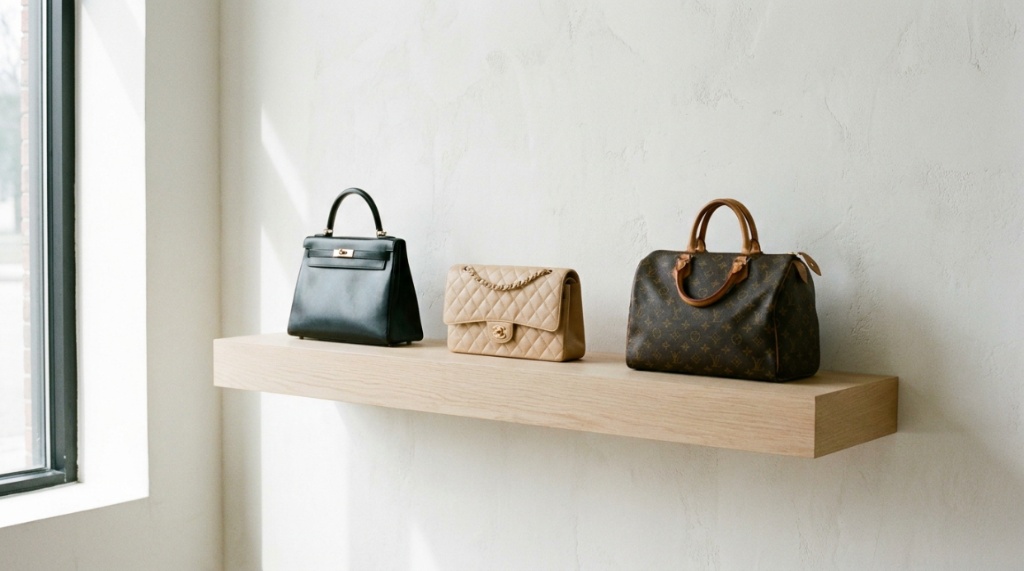
The pre-owned market deserves special attention: bags from brands that never discount (Hermès, Chanel) are only available below retail through the secondary market. A gently used Kelly or Classic Flap at 15–20% below current retail represents the only discount you will ever find on these bags.
How Do You Buy Pre-Owned Luxury Bags Safely?
Buy pre-owned luxury bags safely by using platforms with in-house authentication teams, requesting detailed condition photos of hardware, corners, lining, and date codes, verifying the seller’s history and reviews, and understanding the return policy before committing — never buy from unverified individual sellers without authentication.
Trusted pre-owned platforms:
- The RealReal: In-house gemologists and authenticators. Wide selection. Consignment model means variable pricing. Condition grades from “pristine” to “good.” 14-day return window.
- Vestiaire Collective: Peer-to-peer with expert authentication before delivery. Strong European selection. Price negotiation available. Authentication guarantee.
- Rebag: Direct purchase model (they own inventory). Consistent quality control. Clair tool shows fair market value. Strong return policy.
- Fashionphile: Large luxury inventory. Own authentication team. Detailed condition descriptions with multiple photos. Layaway options available.
- Brand boutique pre-owned programs: Some brands (Gucci, Burberry) now offer certified pre-owned programs with brand authentication guarantee — the safest possible pre-owned purchase.
Red flags indicating potential fraud:
- Price significantly below market value (too good to be true usually is)
- Seller unwilling to provide additional photos when requested
- No authentication service used or offered
- Stock photos instead of actual item photos
- No return policy or “final sale” on high-value items
- Social media marketplace listings without authentication
When Is the Best Time to Buy Luxury Handbags at a Discount?
The optimal buying windows are: January (post-holiday markdowns, 20–40% off), late May/early June (end of spring season, 20–30% off), July (mid-year clearance, 30–50% off), and November (Black Friday/Cyber Monday, select brands 15–25% off) — with the deepest discounts on seasonal colors that did not sell through at full price.
Annual luxury shopping calendar:
- January: Best overall sales period. Department stores clear holiday inventory. Contemporary brands discount current collections. Deepest markdowns of the year.
- March–April: Limited pre-owned market opportunity as sellers list holiday gifts they did not keep.
- May–June: End-of-spring markdowns begin. Pre-fall collections arrive, pushing spring items to sale.
- July: Mid-year clearance. Second deepest discount period. Final markdowns on spring inventory.
- September–October: Limited opportunities. Full-price season for fall launches.
- November: Black Friday offers from select luxury brands (typically 15–20%, rarely more). Private sale events at department stores (25–35%).
- December: Holiday sets and exclusive colorways at full price. Wait for January unless buying a gift.
Critical note: heritage luxury brands (Hermès, Chanel, Louis Vuitton flagship styles) never discount. Their prices only increase annually (5–15% per year). For these brands, the “best time to buy” is always now — or from the pre-owned market.
Smart shopping doesn’t stop at your wallet; it also extends to how you maintain and use your investments daily. Once you secure your dream piece at the perfect price, knowing how to efficiently organize a commuter bag ensures your luxury items stay protected from everyday wear and tear while keeping your essentials easily accessible.
How Do You Identify When a Luxury Bag Is Actually Worth Its Price?
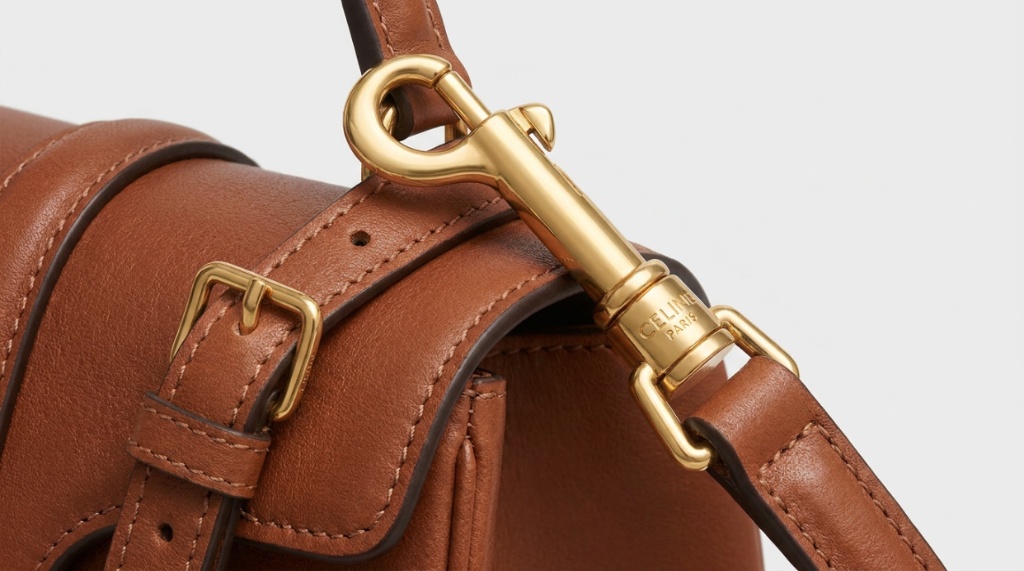
A luxury bag justifies its price when: the leather quality exceeds what is available at lower price points, the construction demonstrates hand-finishing details invisible in mid-range bags, the hardware uses premium metals with lasting plating, and the brand’s resale retention demonstrates market-validated desirability beyond marketing hype.
Value indicators that justify premium pricing:
- Leather you can feel: Genuine luxury leather has weight, warmth, and complexity in its grain that photographs cannot capture. If a bag does not feel meaningfully different from a $200 alternative in hand, the premium is not justified by material.
- Visible hand-finishing: Hand-painted edges, hand-stitched stress points, individually set hardware. These details cost labor time and distinguish truly luxury construction from machine-finished products with luxury branding.
- Decades of refinement: Bags from houses that have produced the same model for 10+ years benefit from iterative improvement — every generation fixes issues discovered in daily use. New models from new brands lack this refinement history.
- Resale retention: If a bag holds 70%+ of its retail value on the secondary market after 3+ years, the market validates its desirability beyond initial purchase enthusiasm. This is earned reputation, not marketing.
Red flags that a luxury bag is NOT worth its price:
- Brand-new brand charging heritage-brand prices without heritage-brand craftsmanship
- Logo-driven appeal with unremarkable material quality
- Rapid annual price increases without corresponding quality improvements
- Heavy marketing spend visible (celebrity campaigns, influencer saturation) suggesting price supports marketing rather than materials
For in-depth analysis of luxury top handle bags evaluated for genuine value versus marketing premium, luxury handbag reviews and value assessments provides detailed material analysis, construction evaluation, and price-to-quality ratio comparisons across multiple brands and price tiers — helping you distinguish genuine luxury value from overpriced branding.
Conclusion
Buying luxury handbags without overpaying requires separating the quality components you want (materials, craftsmanship, longevity) from the markup components you can avoid (retail overhead, marketing costs, exclusivity premiums). The pre-owned market, seasonal sale timing, and informed quality assessment together save 20–50% on identical products while delivering the same ownership experience. A $3,000 bag purchased for $1,800 pre-owned in excellent condition provides the same leather, the same craftsmanship, and the same brand — the only thing missing is the shopping bag and tissue paper.
Smart luxury buying is not about being cheap — it is about being strategic. Know what justifies premium pricing (materials, hand-finishing, proven longevity), know where to find below-retail access (pre-owned platforms, seasonal sales), and know when to pay full price (waitlist items with appreciating value, brands that never discount). This informed approach lets you build a collection that would cost double at full retail — redirecting the savings toward additional pieces or other life priorities.
What is your best below-retail luxury bag purchase — and where did you find it? Share your strategy to help others shop smarter.
Frequently Asked Questions
Is it safe to buy luxury bags on social media marketplaces?
High risk without authentication. Facebook Marketplace, Instagram sellers, and similar platforms have no built-in authentication. Counterfeits are prevalent and increasingly convincing. If buying from an individual seller, require third-party authentication (Entrupy, Real Authentication) before finalizing payment. Better yet, use established authenticated platforms where authentication is included in the process.
Do luxury bags from outlet stores have the same quality?
Often no. Many brands produce separate “outlet-only” lines with lower-quality materials and simpler construction than their mainline equivalents. These bags are designed to sell at outlet prices — they are not mainline bags at a discount. Some outlet items are genuine past-season mainline stock (better quality), but the majority is purpose-made. Ask sales staff which items are “made for outlet” versus transferred from retail.
How much should a luxury bag depreciate after purchase?
Most luxury bags depreciate 20–40% immediately upon purchase (similar to driving a new car off the lot). Classic styles from heritage brands (Chanel, Hermès, Dior) depreciate only 0–20% or actually appreciate. Trend-driven styles from any brand depreciate 40–60% within 2 years as fashion relevance fades. Buy classic styles for value retention; buy trend styles only if you accept depreciation as the cost of novelty.
Are luxury handbag prices going up or down?
Up — consistently. Major luxury brands have implemented 8–15% annual price increases since 2020, with some brands (Chanel, Louis Vuitton) increasing prices multiple times per year. This trend shows no sign of reversing. If you plan to buy a specific bag eventually, earlier is better financially. The same bag will cost 10–15% more next year at retail.
How do I negotiate the price of a luxury handbag?
Direct negotiation is not possible at brand boutiques or authorized retailers — prices are fixed globally. However, you can negotiate at: consignment stores, pre-owned platforms with offer features (Vestiaire Collective, Poshmark), estate sales, and independent luxury resellers. On platforms allowing offers, starting at 15–20% below listed price is reasonable for items listed over 30 days.
Should I buy a trendy luxury bag on sale or a classic at full price?
Classic at full price — every time. A trendy bag at 40% off still depreciates to near-zero relevance within 2–3 years. A classic bag at full price maintains 60–80% of value indefinitely and remains stylistically relevant for decades. The “sale” on a trendy bag is not savings; it is paying less for something that becomes worthless faster. True savings come from paying less for things that retain value.
What is the minimum I should spend on a “real” luxury handbag?
Genuine luxury construction (full-grain leather, quality hardware, hand-finished details) begins around $300–$500 from brands like Polene, DeMellier, and Cuyana. Below $200, meaningful quality compromises become unavoidable. “Luxury experience” from heritage brands (brand heritage, resale value, icon status) begins around $1,500–$2,000. Define what “luxury” means to you — materials quality or brand prestige — and set budget accordingly.