
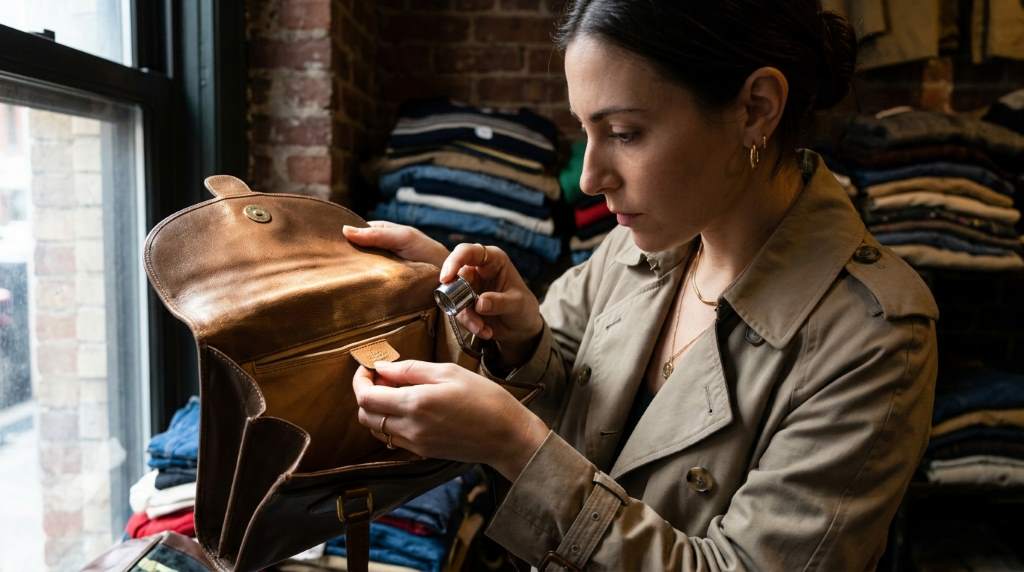
Vintage handbags continue to attract fashion lovers across New York, NY because they combine style, rarity, and long-term value. According to recent luxury resale reports, the secondhand handbag market may cross $60 billion globally within the next few years. Many collectors now study labels, serial markings, and production details before making a purchase. As a result, experienced buyers often perform a careful michael kors handbag authenticity check before investing in rare pieces. This growing attention to factory labels helps collectors avoid counterfeits while protecting the resale value of their collections.
The Growing Vintage Handbag Market in New York
New York has one of the strongest luxury resale communities in the United States. Shoppers visit vintage boutiques in SoHo, Brooklyn, and Manhattan every week searching for limited edition handbags. Many collectors also attend estate sales and fashion trade events throughout the city. Because demand keeps rising, counterfeit sellers now target inexperienced buyers more aggressively.
Collectors often compare stitching, hardware, and label fonts before purchasing a handbag. Factory labels provide important details about manufacturing dates and production facilities. Moreover, experienced buyers know that tiny label differences can reveal whether a bag is genuine or altered. Many fashion experts also recommend reading practical guides like RFID trifold wallet protection resources to understand how luxury accessories maintain value and security.
Why Factory Labels Matter So Much
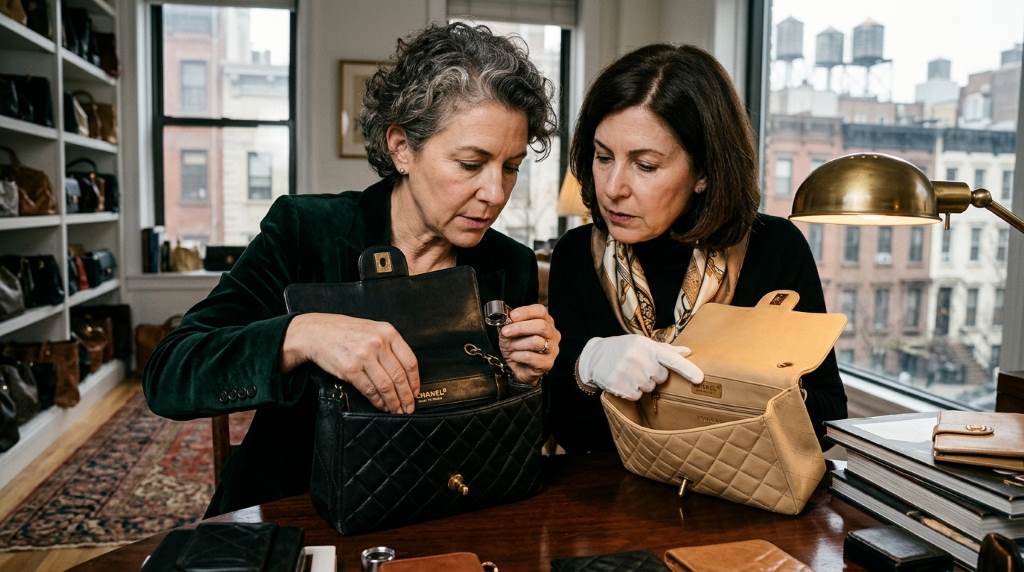
Factory labels act like fingerprints for vintage handbags because they contain unique production details. These labels often include serial numbers, factory codes, material references, and manufacturing locations. Collectors use this information to verify authenticity before spending thousands of dollars. Consequently, label analysis has become a standard practice in luxury resale markets.
Some counterfeit bags look almost identical to authentic pieces from the outside. However, factory labels usually expose small mistakes that casual buyers miss completely. Incorrect spacing, unusual fonts, and wrong country codes often signal a fake handbag. Therefore, experienced collectors compare labels carefully against verified archive examples.
Common Details Buyers Compare
- Serial number format and spacing
- Font style and alignment
- Country of manufacture
- Leather stamping quality
- Factory date codes
- Material tag placement
How New York Climate Affects Vintage Handbags
New York weather creates unique challenges for vintage handbag collectors throughout the year. Summers bring humidity that can damage leather interiors and weaken glue around labels. During winter, snow and road salt may stain delicate materials permanently. Because of these environmental conditions, collectors inspect labels to confirm whether bags received professional restoration.
Humidity also causes ink fading on older factory labels over time. Experienced collectors understand how climate exposure changes authentic aging patterns inside handbags. Therefore, they compare fading consistency between labels, stitching, and leather surfaces. Buyers who travel frequently often explore guides such as smart travel tote essentials to learn proper storage and protection methods for luxury accessories.
The Connection Between Labels and Resale Value
Collectors in New York often view handbags as investment pieces rather than simple fashion accessories. A verified factory label can significantly increase resale prices in luxury markets. Buyers trust handbags with intact labels because they provide stronger proof of authenticity. Consequently, collectors usually avoid heavily modified bags with damaged identification details.
Luxury resale platforms now require more authentication checks before listing expensive handbags online. Factory labels often determine whether a bag passes professional inspection or gets rejected immediately. Some rare vintage bags even double in value when original labels remain untouched. Because of this, collectors protect interior tags carefully during cleaning and storage.
Uncommon Label Clues That Serious Collectors Notice
Most fashion blogs discuss serial numbers, but experienced collectors study deeper manufacturing patterns rarely mentioned publicly. Some factory labels contain tiny alignment variations linked to specific production years. Others reveal changes in adhesive materials used during certain decades. These subtle differences help collectors identify transitional production periods between handbag collections.
New York collectors also compare label wear patterns against zipper oxidation and hardware aging. Natural aging usually appears consistently throughout authentic handbags over time. In contrast, counterfeit bags often display artificial distressing that looks uneven under close inspection. Therefore, advanced collectors treat labels as part of a larger authenticity puzzle.
Rare Signs Experts Watch Carefully
- Ink saturation consistency
- Heat stamp depth variations
- Label edge aging patterns
- Interior fabric discoloration around tags
- Factory adhesive residue placement
- Historical logo transition details
Why Counterfeiters Struggle With Accurate Labels
Counterfeit manufacturers can copy exterior designs quickly because modern printing technology improves every year. However, replicating accurate factory labels remains much harder due to hidden production details. Authentic brands often change label formats quietly without public announcements. As a result, counterfeiters frequently rely on outdated information when producing fake handbags.
Luxury collectors in New York often join online communities where members share verified label comparisons. These discussions help buyers detect fake products before making expensive purchases. Additionally, collectors exchange close-up photographs showing authentic printing textures and serial code placement. This collaborative research makes label comparison more reliable than ever before.
The Role of Vintage Boutiques in Authentication
Many trusted vintage boutiques across New York employ authentication specialists for luxury handbags. These experts examine factory labels alongside stitching, hardware, and leather quality. Buyers often feel more confident purchasing from stores with transparent authentication processes. Therefore, reputable boutiques usually provide detailed explanations about label verification.
Some boutiques even maintain archives of historical label examples from different fashion eras. This information allows collectors to compare bags against verified production references. Moreover, experienced shop owners often identify subtle mistakes invisible to casual buyers. Their expertise helps prevent costly purchasing errors in competitive resale markets.
Digital Authentication Versus Physical Label Inspection
Modern technology has introduced artificial intelligence tools for luxury handbag authentication. While digital scans help identify obvious counterfeits, serious collectors still rely heavily on physical label inspection. Lighting conditions, material texture, and embossing depth often reveal details cameras cannot capture properly. Consequently, hands-on examination remains essential in vintage handbag collecting.
Collectors frequently use magnifying glasses and ultraviolet lighting during detailed inspections. These methods help uncover hidden repairs, replaced labels, or inconsistent printing materials. Additionally, physical inspection reveals natural aging characteristics that digital systems sometimes misinterpret. Because of this limitation, collectors rarely trust technology alone when purchasing expensive vintage handbags.
How First-Time Buyers Can Avoid Expensive Mistakes
New collectors often rush into purchases because vintage handbags create emotional excitement quickly. However, experienced buyers recommend slowing down and studying factory labels carefully before spending money. Comparing label details against verified examples reduces the risk of buying counterfeit products. Therefore, patience becomes one of the most valuable skills in vintage collecting.
Buyers should also request detailed interior photographs when shopping online. Close-up images of labels, stitching, and serial numbers help identify suspicious inconsistencies early. Furthermore, collectors benefit from purchasing through trusted sellers with strong reputations. Reliable sellers usually provide authentication guarantees and clear return policies for added protection.
Helpful Tips for New Collectors
- Research authentic label examples before shopping
- Compare serial numbers carefully
- Inspect leather texture near labels
- Ask for detailed interior photos
- Buy from reputable vintage dealers
- Avoid deals that seem unrealistically cheap
The Psychology Behind Label Verification
Collectors often feel emotionally connected to vintage handbags because each piece carries fashion history and personal identity. Factory labels strengthen that emotional connection by proving a handbag’s origin and authenticity. Buyers gain confidence knowing their investment holds genuine historical value. Consequently, label verification provides both financial and emotional reassurance.
In New York’s competitive fashion culture, collectors also value credibility within resale communities. Owning authenticated vintage handbags reflects careful research and strong market knowledge. Therefore, collectors proudly discuss factory label details during trades and private sales. This culture of expertise continues driving demand for deeper authentication education.
Why Label Preservation Matters After Purchase
Collectors who purchase authentic vintage handbags must protect factory labels properly to maintain long-term value. Harsh cleaning products can fade printing and weaken delicate stitching around interior tags. Additionally, improper storage may cause moisture damage that destroys important manufacturing details. Because of this, collectors invest in climate-controlled storage solutions whenever possible.
Dust bags, silica packs, and careful ventilation help preserve labels in humid New York apartments. Some collectors also avoid overstuffing handbags because pressure can crack older interior linings. Travelers who carry luxury bags regularly often review recommendations like best airport tote bags to protect valuable accessories during transit. Proper preservation helps collectors maintain both beauty and resale value over many years.
Conclusion
Vintage handbag collectors in New York, NY compare factory labels before buying because authenticity directly affects value, trust, and long-term investment potential. Labels reveal critical production details that counterfeit sellers struggle to replicate accurately. Moreover, New York’s demanding resale market rewards collectors who understand advanced authentication methods. Buyers who study labels carefully make smarter purchasing decisions and protect their collections more effectively. If you plan to invest in vintage handbags, start learning factory label verification today and buy only from trusted sources.
FAQs
Why do collectors check factory labels first?
Collectors check factory labels first because they reveal key authenticity details that help identify counterfeit handbags quickly.
Can damaged labels reduce handbag value?
Yes, damaged or missing labels often lower resale value because buyers prefer handbags with complete authentication details.
Does New York weather affect vintage handbags?
Yes, humidity, snow, and temperature changes in New York can damage leather, stitching, and factory labels over time.
Are serial numbers enough to verify authenticity?
No, collectors also examine fonts, stitching, hardware, and label placement to confirm authenticity accurately.
Should beginners buy from vintage boutiques?
Yes, reputable vintage boutiques usually provide professional authentication and safer purchasing experiences for beginners.