
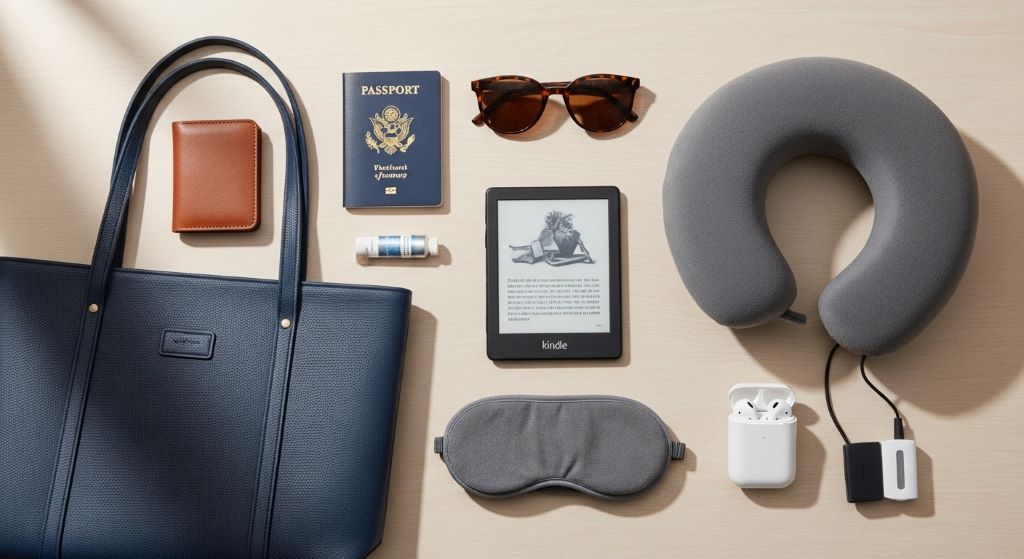
Packing for a trip can feel overwhelming. Whether you are heading out for a weekend getaway or a two-week adventure, what you carry matters. A travel tote bag is one of the most useful tools you can bring along. However, filling it smartly makes all the difference between a stressful journey and a smooth one.
This article will show you how to make the most of your tote bag. You will learn which items to pack, how to organize them, and how to avoid the most common mistakes travelers make.
Why a Travel Tote Bag Is a Smart Choice
A tote bag offers flexibility that rigid luggage simply cannot match. It fits under airplane seats, squeezes into overhead bins, and works equally well as a beach bag or a city daypack. Additionally, tote bags are lightweight, which means you are not adding unnecessary weight before you even start packing.
Many travelers overlook the tote bag in favor of backpacks or roller bags. However, a well-chosen tote keeps your most important items close and accessible. Therefore, picking the right tote — and packing it wisely — sets the tone for your entire trip.
Choosing the Right Tote Bag Before You Pack
Before you think about what goes inside, you need the right bag. Not all totes are created equal. Here is what to look for.
Size and Capacity
Your tote should be large enough to hold your daily essentials but not so big that it becomes unmanageable. A bag that measures around 15 by 16 inches works well for most travelers. It fits a water bottle, a small notebook, your phone, a jacket, and more without feeling bulky.
Avoid oversized totes. They tempt you to overfill them, which adds weight and makes finding things harder.
Material and Durability
Canvas and nylon are two of the most popular tote materials. Canvas is sturdy and looks great, but it can absorb water. Nylon is lighter and often water-resistant, making it a strong choice for unpredictable weather. Additionally, check the stitching at the handles. Weak stitching is the most common reason totes fail under load.
Interior Pockets and Compartments
A good travel tote has at least one interior zip pocket and one or two slip pockets. These let you separate small items from larger ones. Therefore, you spend less time digging through your bag at airport security or at a café counter.
The Core Essentials Every Travel Tote Should Have
Now comes the fun part — filling your bag. Packing tips from frequent travelers all point to the same principle: bring what you need, not what you might need.
Documents and Wallet Items
Your passport, boarding pass, ID, and travel insurance card should always stay in your tote. Use a slim travel wallet or a zip pouch to keep them together. This way, you can pull them out quickly without fumbling.
Additionally, keep a small amount of local currency in a separate pocket from your main wallet. This gives you quick access to cash for tips, tolls, or small purchases.
Tech and Charging Essentials
Phones, earbuds, and portable chargers are non-negotiable for most travelers today. Pack your charging cable and a compact power bank together in one small pouch. This keeps them from tangling with everything else in your bag.
Furthermore, if you are traveling internationally, include a universal adapter. It takes up very little space but saves you from a frustrating situation when your devices run out of battery.
Health and Personal Care Items
A small zip pouch for personal care items is one of the smartest packing tips you can follow. Include lip balm, hand sanitizer, a travel-size pain reliever, and any daily medications. These take up almost no space but are incredibly useful on long travel days.
However, keep this pouch accessible. You do not want to dig through your entire bag just to find a headache tablet during a long flight.
Comfort Items for Long Journeys
If you are facing a long flight or train ride, comfort items earn their space. A compact scarf doubles as a blanket and a pillow. A small eye mask and a pair of foam earplugs can turn a noisy flight into a restful one.
Therefore, think about what makes long travel bearable for you personally, and pack only those items. There is no need to carry everything — just the things that genuinely improve your experience.
Smart Travel Organization Inside Your Tote
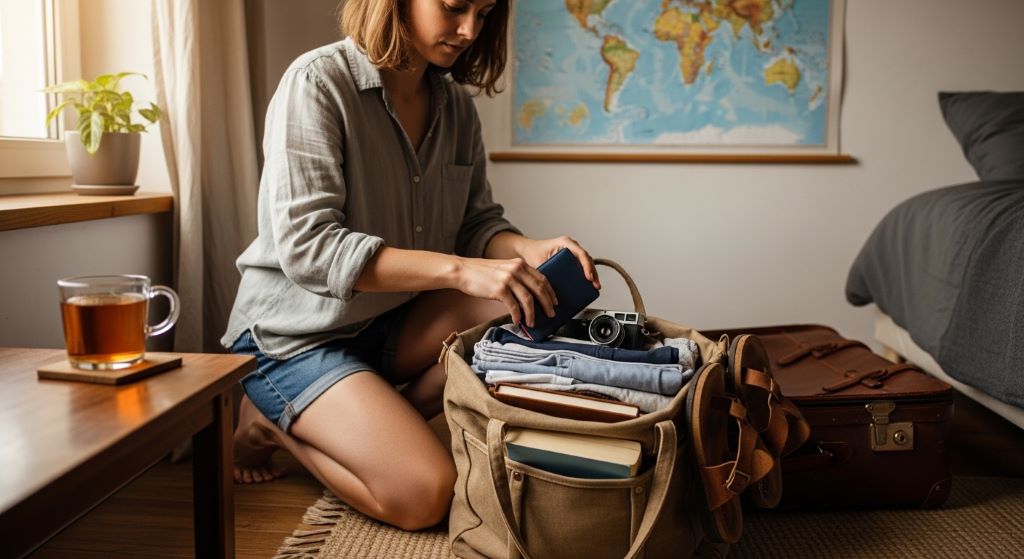
Having the right items is only half the battle. How you arrange them inside your tote matters just as much. Good travel organization saves you time, reduces stress, and keeps your belongings safe.
Use Small Pouches and Zip Bags
Divide your tote’s contents into categories. Tech items go in one pouch. Documents go in another. Personal care items get their own small bag. This system means you can find anything in seconds, even in dim lighting or a busy environment.
Additionally, using different colored pouches makes it even easier. A quick glance tells you exactly where to reach.
Place Items by Frequency of Use
Think about what you will need most during your journey. Items you reach for constantly — your phone, your wallet, your boarding pass — should sit at the very top or in an exterior pocket. Items you only need once, like your hotel confirmation printout, can go deeper in the bag.
This simple rule transforms your travel organization routine. You stop digging and start moving.
Leave Room for Souvenirs and Extras
One of the most common packing mistakes is filling your tote completely before the trip even starts. Leave roughly twenty percent of your bag’s space empty. This gives you room for a jacket you take off, a snack you pick up at the airport, or a small souvenir from your destination.
Furthermore, an overstuffed bag is harder to close, harder to carry, and harder to search through. Breathing room in your bag equals breathing room in your day.
What to Leave Out of Your Travel Tote
Knowing what not to pack is just as important as knowing what to bring. Many travelers carry far more than they actually use.
Here are some items to leave behind:
- Multiple books or heavy magazines (use an e-reader instead)
- Full-size beauty products (travel sizes do the same job)
- Excessive snacks that take up space better used for essentials
- Items you are packing “just in case” without a specific reason
- Duplicate chargers or cables you do not need for this trip
Cutting these items out keeps your tote light and manageable. Additionally, a lighter bag means less strain on your shoulders during long walking days.
Tips for Specific Types of Travel
Day Trips and City Exploration
For a city day trip, your tote only needs the basics. Pack your wallet, phone, a water bottle, a light jacket, and a small snack. That is truly all you need for most urban adventures. Therefore, resist the urge to add “just one more thing” before heading out.
Beach and Outdoor Travel
For beach days, waterproof lining matters. Pack sunscreen, a small towel, a reusable bag for wet items, and your essentials. Keep your valuables in a zip pouch to protect them from sand and moisture.
Business and Airport Travel
Airport travel calls for extra attention to accessibility. Your laptop or tablet, noise-canceling earbuds, and all travel documents should be easy to reach. Additionally, keep your liquids bag near the top so you can pull it out quickly at security without slowing down the line.
Keeping Your Tote Organized Throughout the Trip
Packing smart at the start means nothing if you let your bag fall into chaos by day two. Spend two minutes each evening returning items to their correct pouches. This small habit keeps your travel organization system intact throughout the entire journey.
However, do not stress about perfection. The goal is to spend less time searching and more time enjoying your trip. A loose system that you actually follow beats a perfect one you abandon by day three.
Conclusion
A travel tote bag is one of the most versatile tools a traveler can carry. However, its real value comes from how thoughtfully you pack it. Start with the right bag — durable, the correct size, with useful pockets. Then fill it with intention, focusing on items you will genuinely use.
Follow a simple travel organization method using small pouches, and arrange items by how often you reach for them. Leave space for flexibility, and cut out anything that does not earn its place. Whether you are on a quick city trip or a long international journey, smart packing makes every moment easier.
Your tote bag is ready. Now go enjoy the journey.
Frequently Asked Questions
What size tote bag is best for travel?
A tote measuring around 15 by 16 inches works well for most travelers. It fits daily essentials comfortably without becoming too heavy or bulky to carry all day.
Can I use a tote bag as my only carry-on?
Yes, for short trips a tote can serve as your only carry-on. Pack light, use small pouches for organization, and make sure the bag fits under the seat in front of you or in the overhead bin.
How do I keep my tote bag organized during a long trip?
Spend a few minutes each evening returning items to their designated pouches. This simple habit keeps your system working throughout the trip without requiring much effort.
What material is best for a travel tote bag?
Nylon is a top choice because it is lightweight and water-resistant. Canvas is durable and stylish but absorbs moisture. Choose based on your destination’s climate and your personal style.
How do I protect valuables in a tote bag?
Use a zip pouch for documents and cards, and keep it in an interior pocket. Avoid placing valuables in outer pockets in crowded areas. A tote with a zipper closure at the top adds an extra layer of security.
Related Topics:
What’s the Difference Between Shoes and Sneakers
Shein Size Guide: Find Your Perfect Fit Every Time