
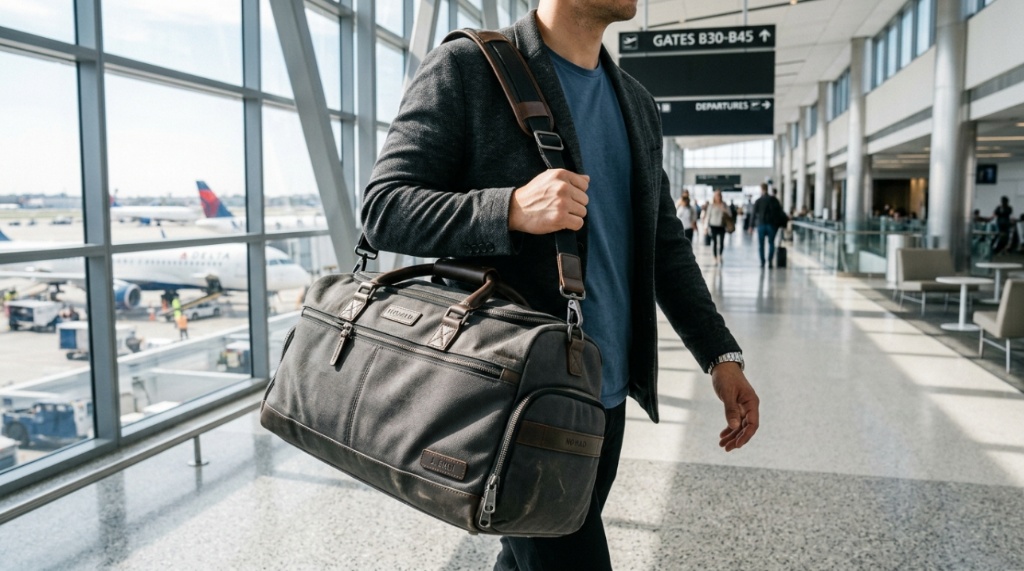
You just spent an hour wrestling a flimsy nylon duffel through airport security. The strap snapped. The contents shifted into a tangled mess. And now you are vowing never to repeat this mistake. The problem is not travel itself—it is the bag you chose. With hundreds of materials, sizes, and features on the market, picking the wrong one is painfully easy. The good news is that understanding a few critical factors can save you frustration, money, and ruined trips. This guide shows you exactly how to avoid buying the wrong travel duffel bags by focusing on what actually matters for real-world use.
What Are the Most Common Mistakes People Make When Buying a Travel Duffel Bag?
Most buyers choose based on price or appearance alone, ignoring functionality. The biggest mistake is treating a duffel like a suitcase. Duffels behave differently. Without structure, they become messy piles of clothing. Without proper straps, they become back-breaking burdens. Here are the most frequent errors:
- Ignoring weight distribution: A duffel without internal compression shifts everything to the bottom.
- Choosing fashion over function: A stylish bag with poor zippers will fail mid-trip.
- Overlooking carry-on dimensions: Many duffels exceed airline size limits.
- Skipping strap quality: Thin, unpadded straps dig into your shoulder.
- Forgetting weather resistance: A surprise rainstorm soaks unprotected contents.
Avoiding these mistakes starts with understanding your travel style. A weekend road tripper needs something entirely different than a international backpacker.
Why Does Bag Weight Matter So Much for Travel Duffel Bags?
Bag weight directly affects your comfort and airline compliance. A heavy empty duffel wastes your luggage allowance. Most airlines enforce a 50-pound weight limit for checked bags. If your duffel itself weighs 5 pounds, you only have 45 pounds for actual belongings. Carry-on rules are even stricter. Many budget carriers limit carry-on weight to 15–22 pounds total.
Lightweight materials like ripstop nylon or polyester fabrics can reduce empty weight by 30–50% compared to canvas or leather. However, lighter materials must still offer durability. Look for reinforced stitching and water-resistant coatings rather than ultra-thin fabrics that tear easily. A good target weight for a 40-liter duffel is under 2 pounds. Anything heavier requires justification through added features like padded laptop compartments or built-in wheels.
Which Size Travel Duffel Bag Should You Choose for Different Trip Lengths?
The perfect duffel size depends entirely on trip duration and packing style. A one-size-fits-all approach leads to overpacking or leaving essentials behind. Here is a simple guide:
| Trip Length | Recommended Volume | Duffel Style |
|---|---|---|
| 1–2 nights | 20–30 liters | Small carry-on duffel |
| 3–5 nights | 40–50 liters | Medium duffel (most versatile) |
| 5–7 nights | 50–70 liters | Large duffel (may need to check) |
| 7+ nights | 70–100 liters | Extra-large duffel (checked only) |
For most travelers, a 40–50 liter duffel offers the sweet spot. It fits under most airline seats or in overhead bins when packed moderately. If you tend to pack heavy, size down. A smaller duffel forces discipline and prevents back strain. Remember that duffels lack the rigid structure of suitcases, so overfilling creates awkward lumps that make carrying difficult.
How Do You Know If a Duffel Bag Has Good Strap Design?
Strap design determines whether you enjoy or endure your trip. Poor straps cause shoulder pain, imbalance, and eventual breakage. Look for these indicators of quality strap design:
- Padded shoulder straps: At least one inch thick with breathable mesh backing.
- Adjustable length: Straps that lengthen or shorten easily without tangling.
- Secure attachment points: Strap anchors that are stitched into reinforced webbing, not just sewn onto fabric.
- D-ring or clip options: Allows you to attach a crossbody strap for even weight distribution.
- Handles on both ends: Makes grabbing from overhead bins or car trunks easier.
Test the strap design before buying. If possible, load the duffel with 15–20 pounds and walk around a store for five minutes. Shoulder pain within seconds means the strap is inadequate. A well-designed duffel should feel balanced and comfortable even when fully packed.
Can You Use a Travel Duffel Bag as a Carry-On?
Yes, many travel duffel bags work perfectly as carry-ons, but only if you check dimensions carefully. Airlines impose strict size limits. For most US carriers, carry-on dimensions must not exceed 22 x 14 x 9 inches. European low-cost carriers like Ryanair enforce smaller limits around 16 x 12 x 6 inches.
To ensure carry-on compliance:
- Measure your duffel when fully packed, not empty. Soft-sided duffels expand when filled.
- Look for duffels specifically labeled as “carry-on sized” by the manufacturer.
- Avoid duffels with external frame structures that add rigid bulk.
- Choose duffels with a luggage pass-through sleeve for stacking on rolling suitcases.
Even if a duffel meets size limits, consider weight restrictions. A fully packed 40-liter duffel can easily exceed 20 pounds, triggering overweight fees or gate-checking requirements.
Is Waterproofing Essential for Travel Duffel Bags?
Waterproofing is not essential for every traveler, but it is a lifesaver for specific situations. If you travel to rainy climates, take boat trips, or store gear outdoors, a waterproof duffel prevents disaster. However, true waterproof duffels (like dry bags) are heavier and less breathable than water-resistant models.
Consider your typical conditions:
- Urban travel: Water-resistant coating is enough. A light rain shower will not soak through.
- Outdoor adventure: Fully waterproof construction (PVC or TPU-coated fabric) is worth the weight.
- Beach or pool trips: A quick-dry mesh or waterproof zippered compartment is ideal.
A good compromise is a duffel with a removable waterproof rain cover. This adds protection only when needed without permanent bulk. Always check zipper quality—waterproof zippers are more expensive but essential for true weather resistance.
How Do Different Materials Affect Durability and Weight?
Material choice directly impacts how long your duffel lasts and how much it weighs. There is always a trade-off between durability and weight. Here is a breakdown of common materials:
| Material | Weight | Durability | Best For |
|---|---|---|---|
| Ripstop nylon | Light | Good | General travel, carry-on |
| Polyester | Light | Fair | Budget options, occasional use |
| Canvas | Heavy | Excellent | Road trips, stylish travel |
| Leather | Very heavy | Excellent | Luxury, short trips |
| TPU/PVC coated | Medium | Excellent | Outdoor, waterproof needs |
For most travelers, 600D to 1000D nylon offers the best balance. It resists tears, scuffs, and water without adding excess weight. Avoid cheap 300D polyester for checked baggage—it may rip after a few trips. Canvas looks classic but demands regular maintenance to prevent mildew and water damage.
Which Internal Organization Features Actually Help?
Organization transforms a duffel from a black hole of clothing into an efficient packing system. Not all features are useful, though. Some add unnecessary weight and complexity. Focus on these genuinely helpful features:
- One large main compartment: Essential for bulkier items like jackets or shoes.
- A single mesh zip pocket on the inside lid: Perfect for socks, underwear, or toiletries.
- A small external quick-access pocket: For passport, phone, wallet, and boarding pass.
- Compression straps inside: Keeps clothing flat and prevents shifting during transit.
- Shoe compartment (optional): Useful but consumes space; many prefer packing cubes instead.
Avoid duffels with too many small pockets. They waste space and make packing harder. The best organization is minimal but intentional. If you prefer total customization, use packing cubes inside a simple, open duffel. This approach lets you adapt the bag to each trip.
When Should You Choose a Duffel Bag Over a Suitcase?
Choose a duffel when you value flexibility, weight savings, or need to store the bag flat. Duffels excel in specific scenarios where suitcases fail. Here are the best use cases:
- Rough terrain: Wheels struggle on cobblestones, gravel, sand, or stairs. Duffels do not.
- Public transportation: Duffels fit under seats, on overhead racks, and in luggage bins more easily.
- Short trips: A duffel avoids the bulk and weight of a hard-sided suitcase for 2–3 day trips.
- Combined trips: Duffels pack inside larger luggage for round-trip versatility.
- Outdoor adventures: Duffels handle dirt, moisture, and irregular shapes better than structured suitcases.
Avoid duffels for business trips requiring wrinkle-free formal wear or trips involving excessive walking with heavy loads. In those cases, a suitcase with a telescoping handle is more practical.
Choosing a bag with great internal layout is only half the battle—how you pack it matters just as much. If you want to master internal space optimization, check out our guide on how to Organize a Commuter Bag Like a Frequent Traveler to keep your gear accessible on the move.
How Much Should You Spend on a Quality Travel Duffel Bag?
Spending between $60 and $200 provides the best value for most travelers. Below $60, you sacrifice durability, zipper quality, and strap comfort. Above $200, you pay for premium materials, brand names, or luxury aesthetics without proportional functional gains.
Here is what different price ranges typically deliver:
- Under $60: Basic polyester bags with minimal padding. Suitable for occasional road trips.
- $60–$120: Nylon construction, decent padding, reliable zippers. Ideal for frequent travelers.
- $120–$200: High-denier nylon, waterproof coatings, great straps. Worthwhile for heavy use.
- $200+: Leather, designer brands, or extremely rugged expedition-grade materials.
Invest in the $60–$120 range for your first quality duffel. That price point eliminates common failure points without breaking your budget. If you travel more than six times per year, stretch to the $120–$200 range for long-term reliability.
What Hidden Features Separate Good Duffels from Bad Ones?
Hidden features often determine a duffel’s real-world performance. These are details that listings might not emphasize but that experienced travelers notice immediately:
- Zipper garage: A fabric cover at the end of zipper tracks prevents rain from seeping through.
- Daisy chain webbing: Allows you to clip carabiners, keys, or extra pouches externally.
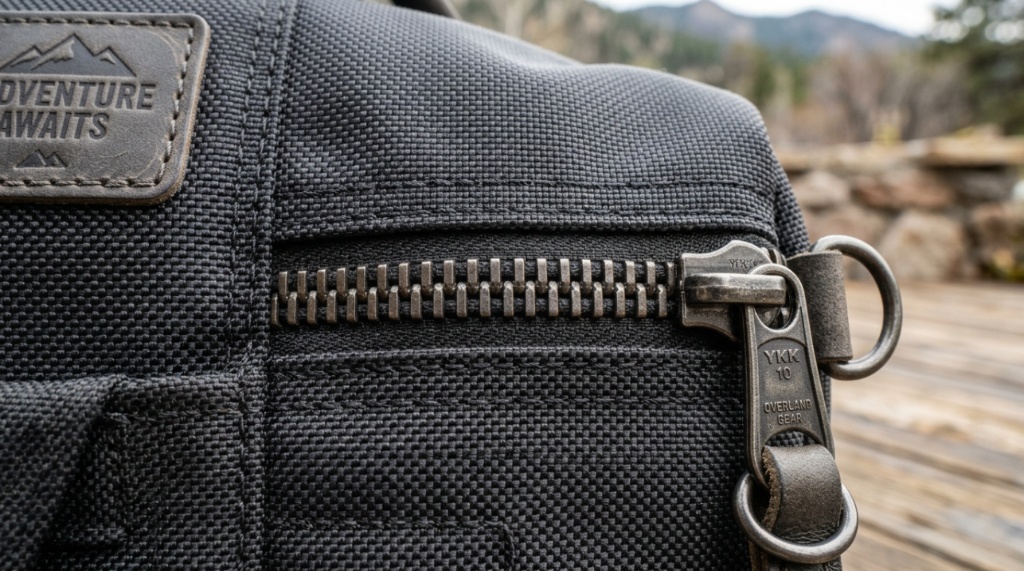
- Self-repairing zippers: YKK zippers with self-locking sliders rarely jam or break.
- Stowable straps: Straps that tuck away behind a flap prevent snagging on conveyor belts.
- Bottom feet: Small rubberized nubs protect the bag’s base from dirt and abrasion.
Check for these features by reading detailed reviews or watching video demonstrations. Manufacturer product pages often omit them. A duffel with all five hidden features is almost certainly well-designed for travel.
Conclusion
Buying the wrong travel duffel bag is preventable when you focus on weight, size, materials, and strap design over superficial factors. Start by identifying your most common trip type. Then prioritize a duffel with the right volume, durable materials, comfortable straps, and practical organization. Remember that a slightly higher upfront investment saves money and frustration in the long run. Use the guidelines in this article to evaluate every duffel before purchase. Your next trip deserves a bag that works as hard as you do. Choose wisely, pack smart, and leave the strap-snapping days behind.
Frequently Asked Questions
Can a duffel bag replace a suitcase for international travel?
Yes, but only if you prioritize flexibility over organization. Duffels fit awkward spaces better than suitcases but require packing cubes for compartmentalization. They work best for travelers who pack lightly and move frequently between destinations.
How do I clean a travel duffel bag?
Most nylon and polyester duffels can be hand-washed with mild soap and cold water. Machine washing can damage straps and zippers. Air dry completely before storage to prevent mildew. Canvas and leather require specialized cleaners.
Are duffel bags allowed on airplanes?
Yes, but size restrictions vary by airline. Measure your duffel when fully packed to ensure it fits carry-on limits. Oversized duffels must be checked. Soft-sided duffels often fit in overhead bins more easily than hard-sided luggage.
Why does my duffel bag hurt my shoulders?
Thin or unpadded straps cause shoulder pain by concentrating weight in a small area. Look for duffels with padded, contoured shoulder straps at least 2 inches wide. A crossbody strap attachment also distributes weight better than a single shoulder strap.
How long should a quality duffel bag last?
A well-made duffel in the $60–$120 range should last 3–5 years with regular travel. Premium duffels ($120+) can last 8–10 years if properly maintained. Canvas and leather duffels can last decades with occasional repairs and conditioning.