
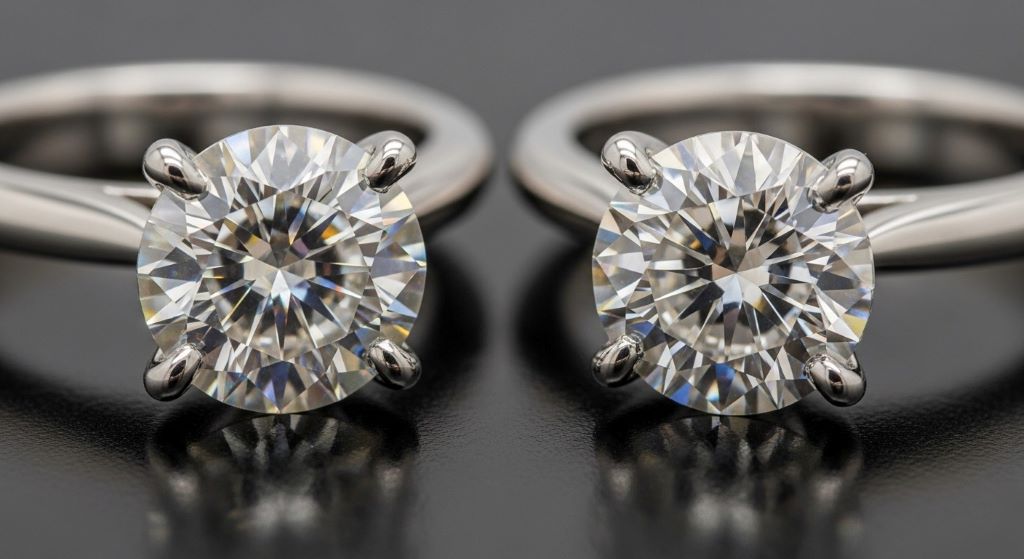
Selecting an engagement ring is one of the most meaningful purchases you’ll make in your lifetime. However, traditional diamonds aren’t the only option anymore. Today’s couples are exploring alternatives that offer beauty, durability, and value without compromising on sparkle or sentiment.
The engagement ring market has evolved dramatically in recent years. Modern technology and changing consumer preferences have created exciting alternatives that rival traditional stones in appearance and quality. Understanding your options helps you make an informed decision that aligns with your values, budget, and aesthetic preferences.
This comprehensive guide explores the most popular diamond alternatives available in 2026. You’ll learn about their characteristics, benefits, drawbacks, and how to choose the perfect stone for your engagement ring. Whether you’re motivated by budget considerations, ethical concerns, or simply want something unique, you’ll find valuable information to guide your decision.
Understanding the Shift Toward Alternative Stones
The traditional diamond engagement ring has dominated the market for decades. However, younger generations are questioning this convention and seeking options that better reflect their values and financial priorities.
Several factors drive this shift. Economic considerations play a significant role, as many couples prefer to invest in experiences, homes, or savings rather than spending heavily on a single piece of jewelry. Additionally, increased awareness about mining practices has led many to seek more ethical alternatives.
Technology has also transformed what’s possible. Advanced manufacturing techniques now produce stones that rival or exceed natural diamonds in quality and appearance. These innovations have removed the stigma once associated with non-diamond engagement rings.
Furthermore, individuality matters more than ever. Modern couples want rings that tell their unique story rather than following traditional expectations. Alternative stones offer distinctive characteristics that help create truly personal jewelry.
Exploring Synthetic and Natural Alternatives
The world of diamond alternatives includes both synthetic creations and naturally occurring gemstones. Each category offers distinct advantages depending on your priorities and preferences.
Synthetic alternatives are created in controlled laboratory environments. These stones offer consistency, ethical sourcing, and often superior quality compared to their natural counterparts. They’re manufactured using advanced technology that replicates or improves upon natural formation processes.
Natural gemstone alternatives have formed over millions of years within the earth. They offer unique characteristics, individual charm, and a connection to natural geological processes. Each stone is truly one of a kind with its own personality and quirks.
The choice between synthetic and natural alternatives often comes down to personal values. Some people appreciate the romance and history of natural stones, while others prefer the precision and ethical clarity of laboratory-created options.
Moissanite: The Brilliant Contender
Moissanite has emerged as one of the most popular alternatives to traditional stones. This gemstone offers exceptional brilliance and fire that actually exceeds what you’ll find in natural diamonds. Originally discovered in a meteor crater, moissanite is now created in laboratories for jewelry use.
The optical properties of moissanite create stunning visual effects. It has a higher refractive index than diamond, meaning it bends light more dramatically. This characteristic produces more rainbow flashes and sparkle, which some people love while others find too flashy.
Durability is another strong point for moissanite. Ranking 9.25 on the Mohs hardness scale, it’s extremely resistant to scratching and chipping. This hardness makes it suitable for everyday wear, ensuring your ring maintains its beauty for decades.
Cost represents perhaps the most appealing aspect of moissanite for many couples. You can purchase a larger, higher-quality moissanite for a fraction of what a comparable diamond would cost. This price advantage allows you to allocate more budget toward the setting or save for other priorities.
However, moissanite does have some considerations. Under certain lighting conditions, it can show a slight yellow or gray tint, particularly in larger sizes. Additionally, its extreme brilliance creates a different look than traditional stones, which some people find less desirable.
The Rise of Laboratory-Created Stones
Lab-grown diamonds have revolutionized the engagement ring market over the past few years. These stones are chemically, physically, and optically identical to natural diamonds because they are real diamonds, just created in a laboratory rather than mined from the earth.
Two primary methods produce these stones. Chemical Vapor Deposition grows diamonds from a carbon-rich gas, while High Pressure High Temperature mimics the natural conditions deep within the earth. Both processes create genuine diamonds with the same crystal structure and properties as mined stones.
The environmental and ethical benefits of laboratory-created options appeal to socially conscious consumers. They require significantly less land disruption, use less water, and don’t carry the potential ethical concerns associated with mining. You can wear your ring knowing exactly where your stone came from and how it was produced.
Pricing makes laboratory options increasingly attractive. They typically cost 30 to 50 percent less than comparable natural diamonds, allowing you to choose a larger or higher-quality stone within your budget. This value proposition has convinced many couples to opt for laboratory-created stones.
Nevertheless, some considerations exist. Laboratory stones may not hold their value as well as natural diamonds if you later decide to sell or trade them. Additionally, some people prefer the romantic notion of a stone formed naturally over millions of years.
White Sapphire: The Classic Alternative
White sapphire offers another compelling alternative with its clean, bright appearance. This naturally occurring gemstone has been used in fine jewelry for centuries and provides a more understated elegance compared to some other options.
Ranking 9 on the Mohs hardness scale, white sapphire is extremely durable and suitable for daily wear. It resists scratching well and maintains its appearance over time with minimal maintenance. This durability makes it a practical choice for engagement rings that will be worn constantly.
The appearance of white sapphire differs notably from diamond. It has less brilliance and fire, creating a more subtle sparkle. Some people appreciate this understated quality, while others prefer more dramatic light performance. The stone’s clarity is typically excellent, though it may show slight inclusions under magnification.
Cost-wise, white sapphire falls in the middle range among alternatives. It’s more expensive than moissanite but significantly less costly than diamonds of comparable size. This pricing makes it accessible while still offering genuine gemstone appeal.
However, white sapphire does require more maintenance than some alternatives. It can develop a cloudy appearance over time from oil and dirt buildup. Regular cleaning keeps the stone looking its best, though this maintenance is relatively simple to perform at home.
Colored Gemstone Options
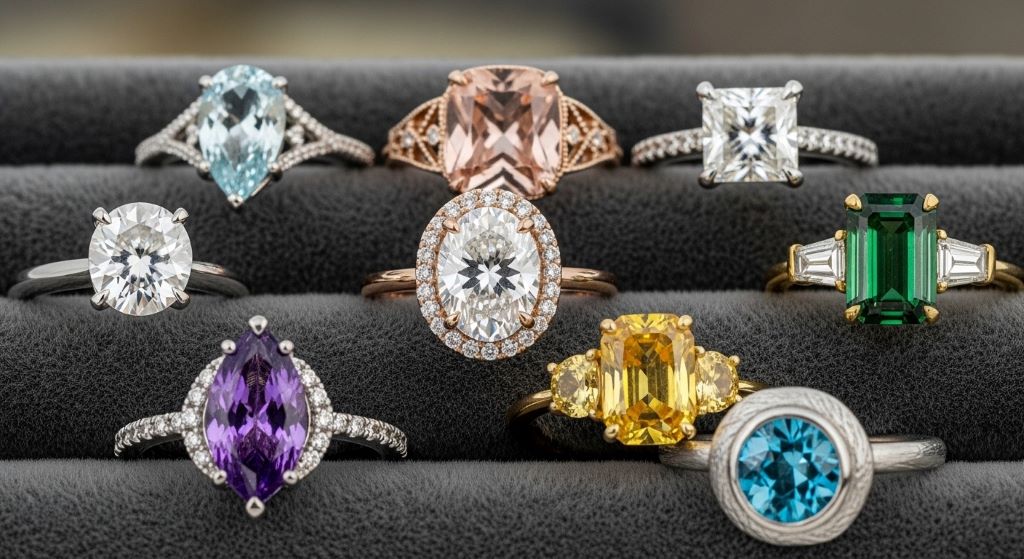
Moving beyond white or clear stones opens up a world of colorful possibilities. Colored gemstones allow you to create a truly unique engagement ring that reflects your personality and style preferences.
Sapphires in colors beyond white have become increasingly popular for engagement rings. Blue sapphires carry royal associations and timeless elegance. Pink sapphires offer romantic softness, while yellow sapphires provide sunny warmth. These colored varieties share the durability and hardness of white sapphire.
Emeralds create stunning engagement rings with their rich green color. However, they’re softer than sapphires and more prone to chipping, requiring careful handling. The distinctive color and character of emeralds make them worth considering despite their relative fragility.
Morganite has gained popularity in recent years with its peachy-pink hue. This beryl family member offers good durability and a romantic, feminine appearance. Its warm color pairs beautifully with rose gold settings and appeals to those seeking something distinctively different.
Other options include aquamarine for its serene blue tones, tanzanite for its unique purple-blue color, and even rubies for bold red statements. Each colored gemstone brings its own personality and considerations regarding durability, care, and long-term wear.
Comparing Durability and Longevity
When choosing an engagement ring stone, durability should factor heavily into your decision. You’ll wear this ring daily, exposing it to impacts, chemicals, and general wear that can damage softer stones over time.
The Mohs hardness scale provides a useful reference point. Stones ranking 9 or higher, including moissanite, sapphire, and diamond, withstand daily wear exceptionally well. They resist scratching from common materials and maintain their polish over decades.
Stones ranking between 7 and 8, such as emerald and aquamarine, require more care. They can scratch more easily and may chip if struck hard. However, with reasonable precautions, these stones can still last a lifetime in engagement rings.
Toughness differs from hardness and refers to how well a stone resists breaking or chipping. Some hard stones can be brittle, while slightly softer stones may have better toughness. Understanding both characteristics helps you choose appropriately for your lifestyle.
Consider your daily activities when evaluating durability. If you work with your hands, exercise frequently, or engage in activities where your ring might take impacts, prioritize harder stones. For less active lifestyles, you have more flexibility in your choice.
Setting Considerations for Alternative Stones
The setting you choose impacts both the appearance and protection of your alternative stone. Different stones pair better with certain setting styles, and proper design choices enhance durability and visual appeal.
Prong settings showcase stones beautifully by allowing maximum light entry. However, they offer less protection than other options. For harder stones like moissanite and sapphire, prong settings work well. For softer alternatives, consider settings with more metal protection.
Bezel settings surround the stone with metal, providing excellent protection from impacts. This style works particularly well for softer gemstones that need extra security. Bezels also create a sleek, modern appearance that many people find appealing.
Halo settings surround the center stone with smaller accent stones. This design makes the center stone appear larger and adds extra sparkle. Halos work well with most alternative stones and can help disguise any color differences or make smaller stones more prominent.
Metal choice affects the overall look and can influence how your stone appears. White metals like platinum and white gold provide a classic, clean backdrop. Yellow gold offers warmth and vintage appeal. Rose gold creates romantic, contemporary styling that pairs especially well with warm-toned stones.
Certification and Quality Assessment
Understanding how to evaluate alternative stones ensures you get the quality you’re paying for. While grading systems exist for various alternatives, they differ from traditional diamond certification.
For laboratory-created stones, reputable sellers provide certificates from recognized gemological laboratories. These documents verify the stone’s authenticity and provide details about its characteristics. Always request certification to ensure you’re receiving a genuine laboratory-created stone rather than a simulant.
Moissanite typically comes with certificates from the manufacturer or independent gemological labs. These certificates verify authenticity and may include information about color grade, clarity, and cut quality. Understanding these ratings helps you compare options and make informed choices.
Natural gemstone alternatives should ideally come with certificates from respected labs. These documents verify natural origin and provide information about any treatments the stone has received. Treatments are common in colored gemstones and affect both appearance and value.
Ask detailed questions about the stone’s origin, any treatments or enhancements, and what warranty or guarantees come with your purchase. Reputable jewelers willingly provide this information and help you understand what you’re buying.
Budget Planning for Alternative Stones
One of the primary advantages of alternative stones is their cost effectiveness. However, understanding the full pricing picture helps you budget appropriately and maximize value.
Stone size has less dramatic impact on alternative stone prices than it does for natural diamonds. You can often afford a much larger alternative stone for the same budget as a smaller diamond. This size advantage appeals to those who want a more substantial look without breaking the bank.
Quality factors still affect pricing within each alternative category. Higher-clarity, better-cut stones command premium prices even among alternatives. Decide which quality factors matter most to you and allocate your budget accordingly.
Setting costs remain similar regardless of which stone you choose. An elaborate custom setting costs the same whether it holds a diamond or an alternative. Consider your total budget including the setting when comparing options.
Remember that the savings from choosing an alternative stone can be redirected toward other priorities. Perhaps you’ll invest in a nicer setting, add meaningful engraving, or save the difference toward your wedding or future together. These choices often provide more lasting satisfaction than spending maximum budget on the stone alone.
Ethical and Environmental Considerations
Many couples choose alternative stones primarily for ethical or environmental reasons. Understanding the true impact of different options helps you make choices aligned with your values.
Laboratory-created stones offer clear environmental benefits. They require less energy than mining, don’t disrupt landscapes, and produce no mining waste. The controlled manufacturing environment also eliminates concerns about labor practices or conflict financing.
Natural gemstone alternatives carry varying environmental impacts. Sapphire and other gemstone mining can affect local ecosystems and communities. Research the sourcing practices of any natural stones you consider. Some suppliers focus on ethical mining and fair trade practices.
Recycled or vintage stones represent another ethical option. Using stones from existing jewelry reduces demand for newly mined or manufactured alternatives. Estate and antique jewelry markets offer unique stones with history and character.
Consider the entire lifecycle of your ring. A durable alternative stone that lasts generations has less environmental impact than softer options requiring replacement. Choosing quality over quantity aligns with sustainable values regardless of which specific alternative you select.
Making Your Final Decision
Choosing between alternatives requires weighing multiple factors against your personal priorities. There’s no universally correct answer, only the right choice for your specific situation and preferences.
Start by identifying your top priorities. Is budget your primary concern? Do ethical considerations matter most? Are you drawn to a particular aesthetic? Ranking your priorities clarifies which alternatives best meet your needs.
View stones in person whenever possible. Photos don’t fully capture how different alternatives sparkle and appear under various lighting conditions. Seeing options in real life often makes your preference immediately clear.
Consider your partner’s preferences if you’re planning a surprise. Pay attention to hints about jewelry style, metal preferences, and whether they’ve mentioned alternative stones. Some people strongly prefer traditional options, while others embrace alternatives enthusiastically.
Think long term about your choice. Will you feel proud wearing this ring in five, ten, or twenty years? Choose something that resonates with your values and aesthetic rather than following trends that may feel dated later.
Working with Jewelers and Retailers
Finding the right jeweler makes a significant difference in your buying experience and the quality of your final ring. Not all jewelers are equally knowledgeable about alternative stones or willing to work with them.
Seek jewelers who specialize in or regularly work with alternative stones. They’ll have more experience helping you compare options and can source higher-quality stones. Their expertise ensures you get accurate information and quality products.
Online retailers often offer competitive pricing on alternative stones. However, buying significant jewelry online requires careful research. Read reviews, verify return policies, and ensure proper certification comes with your purchase. Some couples prefer buying the stone online and having a local jeweler create the setting.
Ask about customization options. Many jewelers can create custom designs that perfectly showcase your chosen alternative stone. Custom work often costs less than you’d expect and results in a truly unique ring.
Understand warranty and service policies before purchasing. Will the jeweler clean and inspect your ring regularly? What happens if the stone becomes damaged or loose? Knowing these details provides peace of mind about your investment.
Conclusion
Choosing an alternative to traditional diamonds for your engagement ring opens up exciting possibilities in 2026. From moissanite vs diamond comparisons to considering lab-grown diamonds, each option offers unique benefits and characteristics worth exploring.
The right choice depends on your priorities, whether that’s budget consciousness, ethical sourcing, durability, or distinctive appearance. Moissanite provides exceptional brilliance at accessible prices. Laboratory-created options deliver genuine stones with clear ethical provenance. Natural gemstone alternatives offer color, character, and individuality.
Take time to research your options thoroughly, view stones in person when possible, and work with knowledgeable jewelers who understand alternative stones. Remember that the most important aspect of any engagement ring is what it represents rather than the specific stone it contains.
Your engagement ring should reflect your relationship’s unique character and your shared values. Whether you choose a brilliant moissanite, a laboratory-created stone, a classic white sapphire, or a colored gemstone, what matters most is selecting something meaningful that you’ll cherish wearing every day. The expanding world of diamond alternatives ensures you can find the perfect stone that aligns with both your heart and your values.
Frequently Asked Questions
Will people be able to tell my ring doesn’t have a traditional diamond?
Most people cannot distinguish alternative stones from diamonds without specialized equipment. Moissanite may show slightly different sparkle patterns that trained eyes might notice, but casual observers typically cannot tell the difference. Laboratory-created stones are chemically identical to natural diamonds and completely indistinguishable without expensive testing equipment. Ultimately, what matters most is that you love your ring, regardless of what others might think.
Do alternative stones require special care or maintenance?
Most alternative stones require similar care to traditional diamonds. Regular cleaning with mild soap and warm water keeps them sparkling. Harder alternatives like moissanite, sapphire, and laboratory-created stones need minimal special care. Softer gemstones may require more careful handling and should be removed during activities that might cause impacts. Your jeweler can provide specific care instructions for your chosen stone.
Will my alternative stone hold its value over time?
Alternative stones generally don’t hold monetary value the same way natural diamonds traditionally have. However, this shouldn’t be a primary concern since engagement rings are typically kept for life rather than resold. The emotional value far exceeds any potential resale value. If investment value is important to you, consider that natural diamonds also typically resell for significantly less than their original purchase price.
Can I upgrade my alternative stone to a diamond later?
Many couples choose alternative stones initially with the option to upgrade later if desired. Most jewelers offer trade-in or upgrade programs. However, many people who choose alternatives discover they’re completely satisfied with their original choice and never feel the need to upgrade. The decision to upgrade should be based on personal preference rather than external pressure or expectations.
How do I know I’m buying authentic alternative stones?
Purchase from reputable jewelers who provide proper certification for their stones. Laboratory-created stones should come with certificates from recognized gemological laboratories verifying their origin and characteristics. Natural gemstone alternatives should include documentation about their source and any treatments. Ask detailed questions, read reviews, and avoid deals that seem too good to be true. Reputable sellers stand behind their products with clear return policies and warranties.
Related Topics:
Can Toothpaste Clean Rings? The Truth Behind the Popular Myth
Boho Wedding Dresses for the Free-Spirited Bride